• 5 min de lectura
• 5 min de lectura
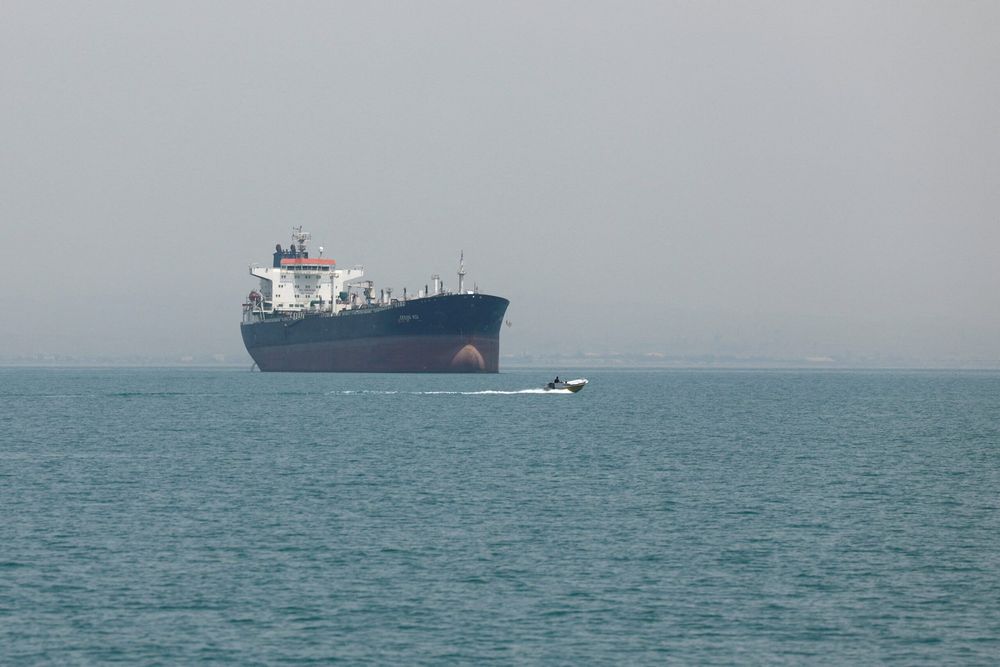
The Trump administration on Wednesday expanded its campaign against Iran's efforts to control commercial shipping through the Strait of Hormuz, sanctioning two organizations that Treasury says were created to provide insurance and maritime services tied to Tehran's transit regime.
The U.S. Treasury's Office of Foreign Assets Control (OFAC) designated the Persian Gulf Marine Insurance Company (PGMIC) and the HormuzSafe Marine Services Authority as part of a broader package targeting what Treasury described as the Iranian regime's "Strait of Hormuz extortion network."
The move marks the latest step in Washington's effort to undermine Iran's attempts to establish control for managing and profiting from commercial vessel traffic through one of the world's most strategically important waterways.
According to Treasury, HormuzSafe was established under Iran's Ministry of Economy to provide maritime services including traffic management, security, emergency response and insurance for vessels transiting the Strait of Hormuz. Treasury also identified Persian Gulf Marine Insurance Company as an entity created under Iran's Central Insurance organization to provide coverage for maritime risks associated with the regime's operations.
"The United States will not allow Iran to hold global commerce hostage or use international shipping to finance the IRGC's terrorism, aggression, and repression," said Secretary of the Treasury Scott Bessent.
The sanctions build on last month's designation of the Persian Gulf Strait Authority (PGSA), an Iranian entity that the United States accused of attempting to formalize a system for regulating commercial transit through the strait and collecting fees from international shipping.
Taken together, the three organizations represent what Treasury views as an integrated commercial structure supporting Iran's control over maritime traffic. Rather than targeting only Iran's oil exports or shipping fleet, the latest sanctions focus on the administrative, operational and financial institutions that could underpin a broader transit regime.
"Treasury is committed to disrupting every element of Iran's efforts to exploit one of the world's most critical maritime chokepoints for financial and political gain," the department said in announcing the sanctions.
In a parallel statement, the U.S. State Department said the sanctions are aimed at dismantling what it described as Iran's effort to profit from insecurity in the Strait of Hormuz. According to the department, the two newly designated entities offered coercive "insurance" and maritime services that effectively charged commercial vessels for protection against risks created by the Iranian regime itself, while also supporting IRGC operations.
"Today's designations support the U.S. Navy's enforcement of a blockade on Iranian ports and coastline and add to a sustained campaign that has now sanctioned more than 100 vessels this year," said Thomas Pigott, a spokesperson for the State Department. "The United States will continue to hold Iran accountable for weaponizing vital international waterways and evading sanctions through shadow fleet operations and deceptive financial schemes."
The designations are likely to reinforce concerns among shipowners, insurers and financial institutions over engaging with any Iranian entities involved in transit services through the Strait of Hormuz. Under U.S. sanctions, dealings with designated entities can expose companies to significant compliance risks, even where transactions are conducted outside the United States.
On Wednesday, the U.S. Central Command "fact checked" Iran's claims that commercial vessels should follow routes designated by the Islamic Revolutionary Guard Corps (IRGC). "The Strait of Hormuz is an international waterway. The IRGC has no authority to dictate routes for free and open traffic flow," CENTCOM posted to X.
CENTCOM further claimed that its forces have helped approximately 1,000 vessels carrying 500 million barrels of crude oil safely transit the strait since early May.
The sanctions also coincide with an increasingly aggressive U.S. military campaign to enforce the Trump administration's renewed blockade of Iran. CENTCOM said Tuesday more than 20 U.S. Navy warships are operating across the Middle East in support of the mission, including what it described as the "strict enforcement" of the blockade. Since the blockade was reinstated, CENTCOM says U.S. forces have redirected 18 commercial vessels, disabled two others, and boarded two to ensure compliance.
The Treasury action comes as President Donald Trump has doubled down on his administration's strategy of combining military pressure with economic sanctions. Speaking Tuesday on Fox & Friends, Trump said the U.S. Navy maintains effective control of the Strait of Hormuz and dismissed Iranian claims of authority over the waterway. "Iran doesn't control the Strait. We control the Strait," Trump said, while warning that the United States would continue to increase pressure if Tehran failed to reach a new agreement over its nuclear program.
Commercial shipping through the Strait of Hormuz remains well below normal levels following months of conflict involving the United States, Israel and Iran.
For the maritime industry, the latest action signals that Washington intends to challenge not only Iran's military threats to navigation but also any effort to establish commercial or financial mechanisms that could generate revenue from international shipping transiting the strait.