• 3 min de lectura
• 3 min de lectura
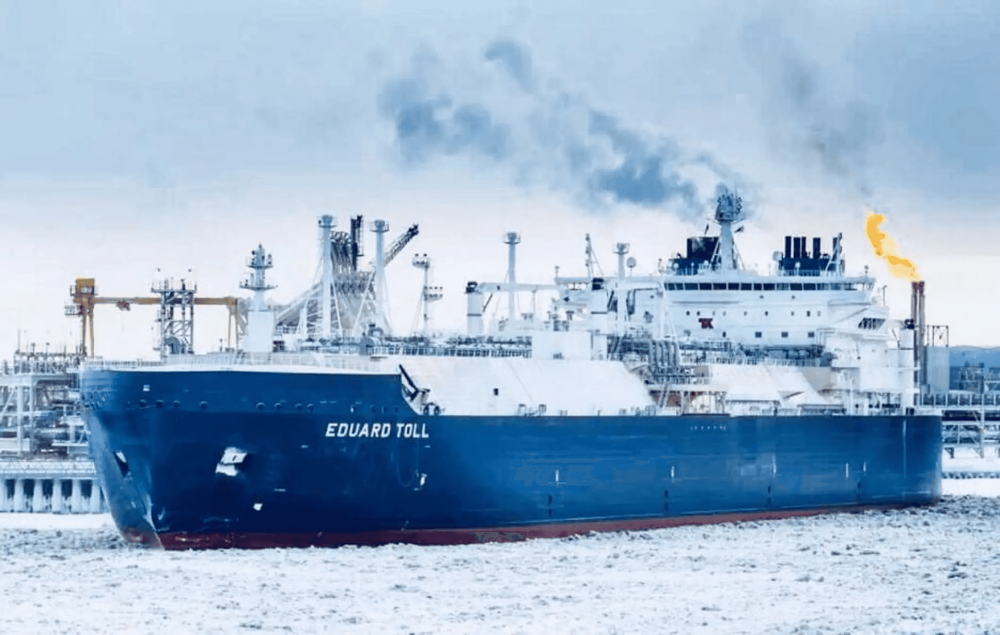
The European Union has clarified that its upcoming ban on Russian liquefied natural gas extends far beyond imports into Europe, prohibiting EU operators from transporting, trading or marketing Russian LNG anywhere in the world, a move with major implications for both shipping companies and European energy buyers.
In a June 1 letter from the office of EU Energy Commissioner Dan Jorgensen to LNG consultancy and shipbroker Poten & Partners, Brussels sought to resolve lingering uncertainty over how the ban would apply to cargoes destined for non-EU markets.
"Transporting Russian LNG by Union operators, regardless of the final destination, is prohibited in the context of the LNG ban," the letter said.
"The new rules prohibit companies from trading Russian LNG or selling it in third countries, as it does not matter whether the Russian LNG is destined for the EU or not," the letter added.
The clarification settles a key question that had remained open since the EU agreed legislation to phase out Russian gas imports. While the law clearly barred imports into the bloc from January 1, 2027 under existing long-term LNG contracts, companies had debated whether European shipowners, traders and buyers could continue handling Russian LNG cargoes destined for Asia or other markets.
The clarification may further complicate Russia's Arctic LNGlogistics chain. Most of the specialized Arc7 icebreaking LNG carriers serving the Yamal LNG project are operated or managed by European-based companies, notably Greece's Dynagas and UK-based Seapeak, while additional vessels are operated by Japan's MOL.
The decision means EU-based operators of LNG carriers, as well as European buyers holding long-term supply agreements, will no longer be able to carry, market or redirect Russian LNG volumes to customers outside the bloc once the ban takes effect.
The clarification is particularly significant for France's TotalEnergies, which owns a 20% stake in Yamal LNG and a 19.4% shareholding in Russian producer Novatek. The French company had been assessing its options ahead of the 2027 deadline amid uncertainty over whether contracted LNG volumes could be diverted to third-country buyers.
TotalEnergies Chief Executive Patrick Pouyanne said earlier this month that the company still lacked clarity from authorities on the issue and had received conflicting legal interpretations. The company previously indicated it could consider selling its Yamal LNG stake if prevented from marketing the project's output outside Europe.
The new guidance may accelerate a broader retreat from Russia's Arctic LNG sector. Earlier this month, Russian President Vladimir Putin signed a decree authorizing the sale of TotalEnergies' 10% stake in the sanctioned Arctic LNG 2 project, although the timing of any transaction remains unclear.
Other companies facing significant consequences include Spain's Naturgy and Germany's SEFE, both of which have emerged as major buyers of Russian LNG through long-term contracts. Naturgy previously warned that the EU phaseout could affect purchase commitments worth more than 10 billion euros and had argued that diverting cargoes to alternative markets could help mitigate contractual damages.
The European Commission has argued that allowing EU companies to continue marketing Russian LNG abroad would undermine the objective of the legislation.
The EU's interpretation points to a comprehensive disengagement from Russia's LNG trade, potentially forcing Moscow to find alternative shipping arrangements for one of its most important energy export projects. It may also entice current vessel operators to transfer their specialized icebreaking LNG carriers to subsidiaries or operators outside the EU.
Fuente: GCAPTAIN_NEWS