• 3 min de lectura
• 3 min de lectura
Environmental groups lacked standing to sue, clearing another legal hurdle for America's first offshore LNG export project
A federal appeals court has dismissed a legal challenge to the U.S. Maritime Administration's deepwater port license for Delfin LNG, ruling that the environmental groups behind the lawsuit failed to establish they had legal standing to bring the case.
In a decision issued Wednesday, the U.S. Court of Appeals for the Fifth Circuit denied a petition for review filed by three environmental organizations challenging MARAD's issuance of the license. The court did not address the underlying environmental claims, instead concluding the groups failed to demonstrate an injury that could be traced to the project.
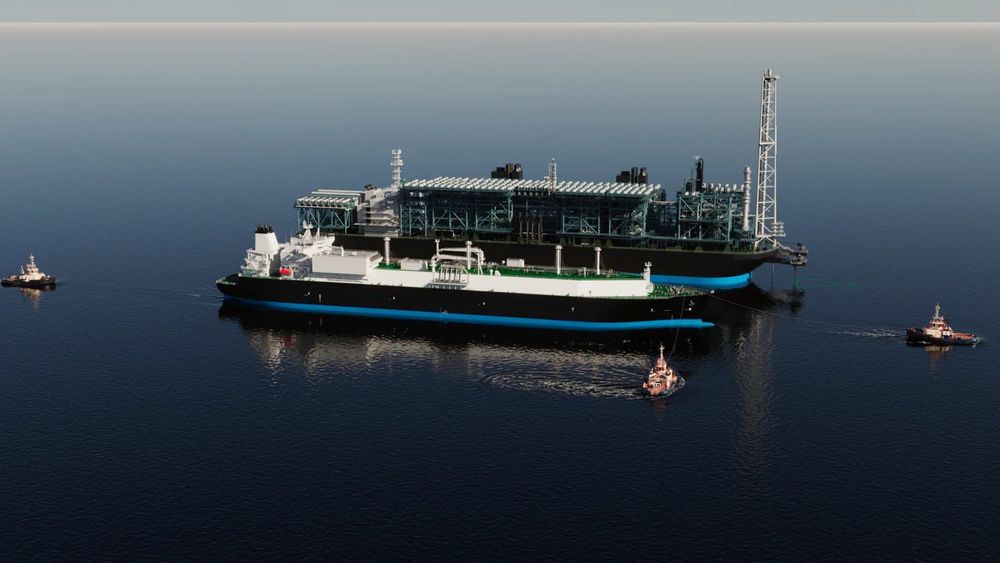
The ruling removes another legal obstacle for the Delfin LNG project, which is planned to become the first floating liquefied natural gas export facility in U.S. waters.
The Justice Department, which defended the federal government in the case, hailed the decision as a victory for the Trump administration's energy agenda.
"This project is an important part of the President's energy dominance agenda," said Adam Gustafson, principal deputy assistant attorney general for the Justice Department's Environment and Natural Resources Division. He said the ruling would make it more difficult for environmental groups "who have no stake in important energy projects" to challenge developments that support U.S. energy production.
Maritime Administrator Stephen Carmel also welcomed the decision, saying it ensures the project "won't be derailed" and will allow MARAD to continue supporting offshore energy infrastructure.
The legal challenge stemmed from the project's lengthy permitting history. MARAD originally approved the deepwater port in 2017. In 2024, the Biden administration determined additional environmental review was needed and declined to issue the license. President Donald Trump later directed the agency to reconsider that decision in his January 2025 Unleashing American Energy executive order, and MARAD issued the deepwater port license in March 2025.
The decision comes just over a month after Delfin reached a final investment decision on the project's first phase. The company approved approximately $5 billion to develop its first floating LNG vessel, Delfin FLNG 1, backed by investors including Global Infrastructure Partners, now part of BlackRock, Mitsui O.S.K. Lines (MOL), Vitol and Diameter Capital Partners.
Located about 40 miles offshore Louisiana, the project will use floating liquefaction vessels connected to existing offshore pipeline infrastructure rather than constructing a conventional onshore export terminal. The first vessel will have an export capacity of 4.4 million tonnes of LNG annually, with production expected to begin in 2030.
At full build-out, the project is expected to include three floating LNG vessels with a combined export capacity of approximately 13.2 million tonnes per year, or roughly 1.8 billion cubic feet of natural gas per day, making it one of the world's largest floating LNG developments.