• 2 min de lectura
• 2 min de lectura
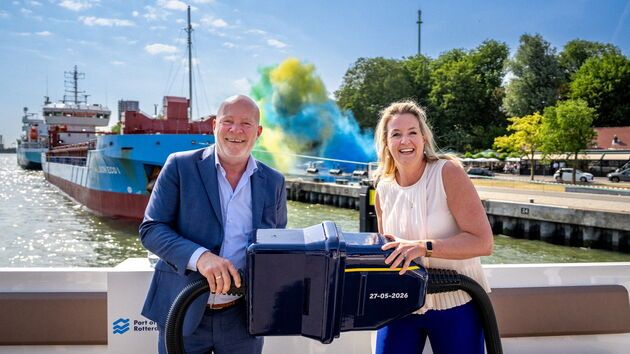
The Port of Rotterdam is taking another step towards achieving a more sustainable environment, as vessels docking at Parkkade will now be able to use the shore power connection, allowing them to switch off their diesel generators.
Shore power directly contributes to better air quality and a more pleasant environment for city residents and visitors. At Parkkade, there are four berths for sea-going vessels and one for inland vessels. Ships can also double berth.
"Sustainability often focuses on the future, but shore power is something we can do today. With shore power at Parkkade, we are taking another step towards a cleaner and quieter port city," stated Port Alderman Robert Simons.
A unique aspect of the project is that it utilizes the existing electrical connection of the Maas Tunnel. This way, shore power can be supplied even with a saturated power grid, and no additional power plant is required in the protected urban environment of Parkkade. In an emergency, the tunnel's power supply always takes priority. After a final test of the Maas Tunnel's power supply, ships will soon be able to use electric power at Parkkade.
The project began in 2022 with a site study, a project plan, and a grant application by the Port of Rotterdam Authority.
Shore power had already been implemented for cruise ships at Wilhelminakade, inland vessels use this service, marine facilities in Rozenburg are connected to it, and agreements have been signed for the installation of shore power at the container terminals of Maasvlakte 2. Last year, the municipality and the Port of Rotterdam Authority presented the updated shore power strategy for the period 2025-2035.
The new facility at Parkkade aligns with the ambition to offer shore power at an increasing number of locations in the Port of Rotterdam. Rotterdam aims for shore power to be the norm for a large part of the shipping industry by 2030, with the ambition of achieving emission-free berthing by 2050.
Source: portalportuario