• 3 min de lectura
• 3 min de lectura
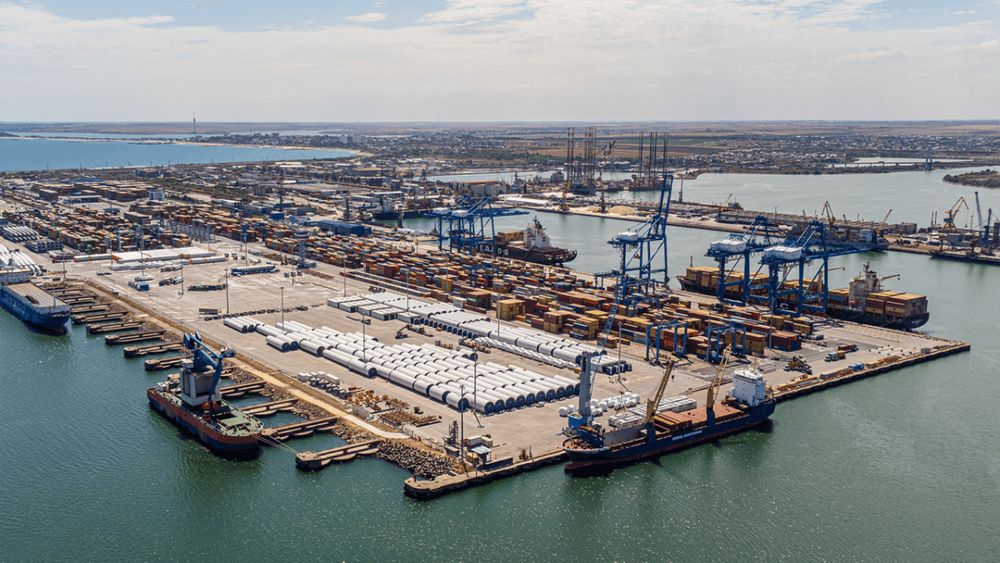
DP World signed an agreement with the French research organization Commissariat à l'Energie Atomique et aux Energies Alternatives (CEA) and strategy specialist TerraWater Institute to initiate a feasibility study on how small modular reactor (SMR) technology could help meet the long-term energy needs, growth, and decarbonization of the Port of Constanta in Romania.
As ports electrify and grow, DP World believes that access to reliable, low-carbon energy is critical for future competitiveness. The growing demand for electrified equipment, shore power, AI data centers, residential heating, and industrial activity is placing greater pressure on existing energy systems, driving demand for stable and scalable power. Nuclear energy, including SMRs, has the potential to provide consistent, low-carbon electricity for port operations and wider industrial use.
The study will model projected energy demand at the Port of Constanta between 2030 and 2050, evaluate integrated low-carbon energy systems, and analyze the technical, strategic, and economic viability of nuclear solutions. It will also examine safety standards and considerations for surrounding communities, leveraging CEA's expertise in small modular reactor (SMR) design and nuclear safety, in line with DP World's commitment to achieving a "zero harm" approach across all its operations.
The study's objective is to inform future decision-making on how best to meet the long-term energy needs of the port and the wider economy. Any future developments will be subject to further technical assessment, regulatory review, and stakeholder engagement.
Nicholas Mazzei, Vice President of Sustainability for Europe at DP World, stated that "at DP World, the transition to a net-zero economy is not only an environmental imperative but also a driver of future growth in global trade. Nuclear small modular reactors (SMRs) are not just energy projects for our ports, but a competitive differentiator in infrastructure. This study will help us better understand how nuclear energy can strengthen operational resilience and contribute to meeting growing demand. Across Europe, nuclear energy is increasingly recognized as a resilient and cost-effective solution with the potential to underpin the next generation of industrial activity and supply chains."
Myrto Tripathi, Director General of the TerraWater Institute, added that "ports are at the intersection of industry, energy systems, and communities. This study seeks to understand how future low-carbon energy systems could be designed to meet complex and changing demands, while maintaining high standards of safety and environmental performance. For energy, as for everything, supply should not determine demand, but rather provide opportunities instead of imposing conditions. The needs of industries must be understood, evaluated, and met, while also decarbonizing. This is the only energy paradigm we should aspire to and what we aim to demonstrate with this study, thanks to nuclear energy."
This work builds on DP World's broader exploration of nuclear energy across its portfolio, including a memorandum of understanding signed last year, as part of studying the role of nuclear energy in its UK ports.
Source: portalportuario