• 3 min de lectura
• 3 min de lectura
US President Donald Trump said his tentative ceasefire with Iran is done, raising the prospect of a renewed military conflict between the two countries.
Jul 8, 2026
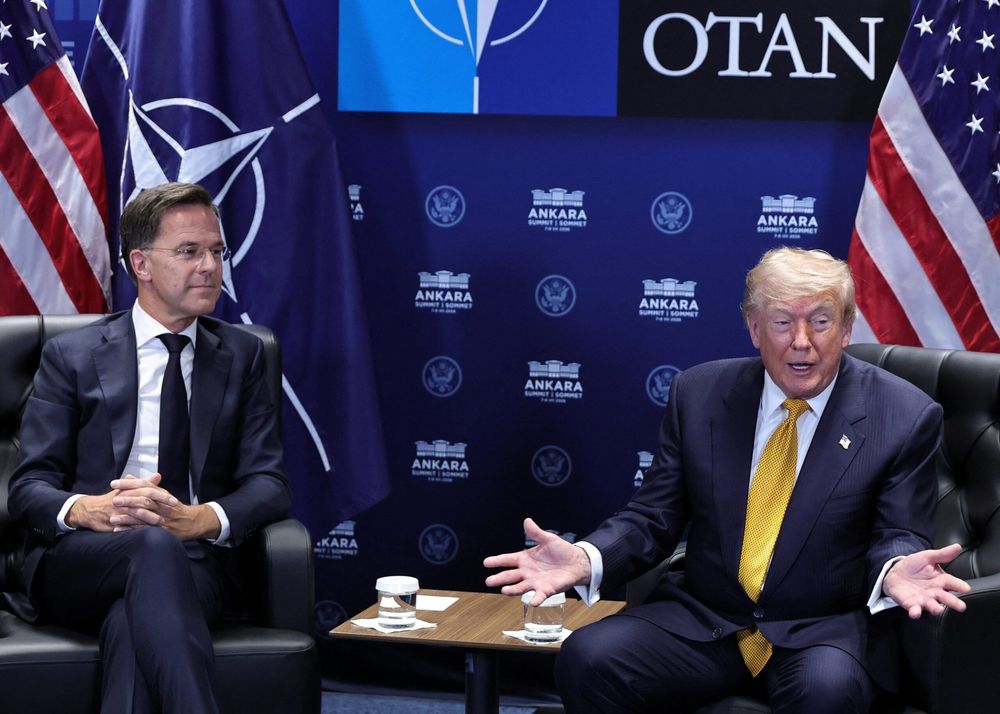
"For me, I think it's over," he said on Wednesday in Ankara, sitting next to NATO Secretary General Mark Rutte at the military alliance's annual summit. "As far as I'm concerned it's just a waste of time."
Trump's remarks came shortly after the US launched a new wave of strikes against Iran and revoked a waiver that allowed the sale of Iranian oil. The actions, taken in response to recent attacks on ships transiting the Strait of Hormuz, brought fresh volatility to energy markets and tested an already fragile peace agreement between Washington and Tehran.
"I don't want to deal with them, but they're scum," Trump said. "You know what scum is? They're scum. They're sick people, they're led by sick people, and they're vicious, violent people, and if they had a nuclear weapon, they'd use it."
Still, Trump said he wouldn't stop negotiators from continuing to engage, even as he expressed pessimism about the tactic.
"There's something wrong with them, they're cuckoo," he said. "They can talk, but I think they're wasting their time."
Three ships were attacked in Hormuz, apparently by Iran, which has said repeatedly it won't allow vessels to transit the crucial energy waterway without its permission. The end of attacks on commercial shipping and the US waiver were central elements of a memorandum of understanding that halted fighting between the US and Iran and set up a 60-day period for negotiations on a broader peace deal.
Together, the developments marked the most serious threat to the interim peace deal. The US blamed Iran for the attacks on shipping, while Tehran said the military strikes and waiver revocation violated the agreement between the two countries.
Oil prices, which touched a peak near $125 a barrel in late April, had returned toward pre-conflict levels this month on signs of a recovery. But following the Treasury decision, oil prices surged again on Tuesday.
A US official said negotiators would continue to work toward a final deal between Washington and Tehran but even before the most recent escalation, the prospect for a broader agreement remained uncertain. There are a number of sticking points to resolve, including future tolls on traffic through Hormuz, unfreezing Iranian assets and the Islamic Republic's nuclear ambitions.
Talks between the US and Iran resumed last week after the two countries traded strikes. But the negotiations were suspended again as Iran conducts a weeklong mass funeral for the late Supreme Leader Ali Khamenei, who was assassinated on the first day of the conflict in late February.
Qatar has said the next meeting will be scheduled at the earliest possible time following the funeral processions. Khamenei is set to be buried in his home city of Mashhad on July 9.
Trump has said he prefers to reach a deal with Iran but has also threatened to renew strikes if that outcome does not materialize. The war has damaged the president's political standing at a perilous moment for his party, which faces a tough path to retain control of Congress in November midterm elections.
High energy prices exacerbated voter worries about pocketbook issues and Trump's approval ratings are near record lows, with voters unhappy over his handling of the economy and the war. Trump has insisted the end to hostilities will bring Americans quick relief at the pump, and that stock-market gains will buoy households. It is unclear though how soon energy flows can return to pre-war levels.