• 3 min de lectura
• 3 min de lectura
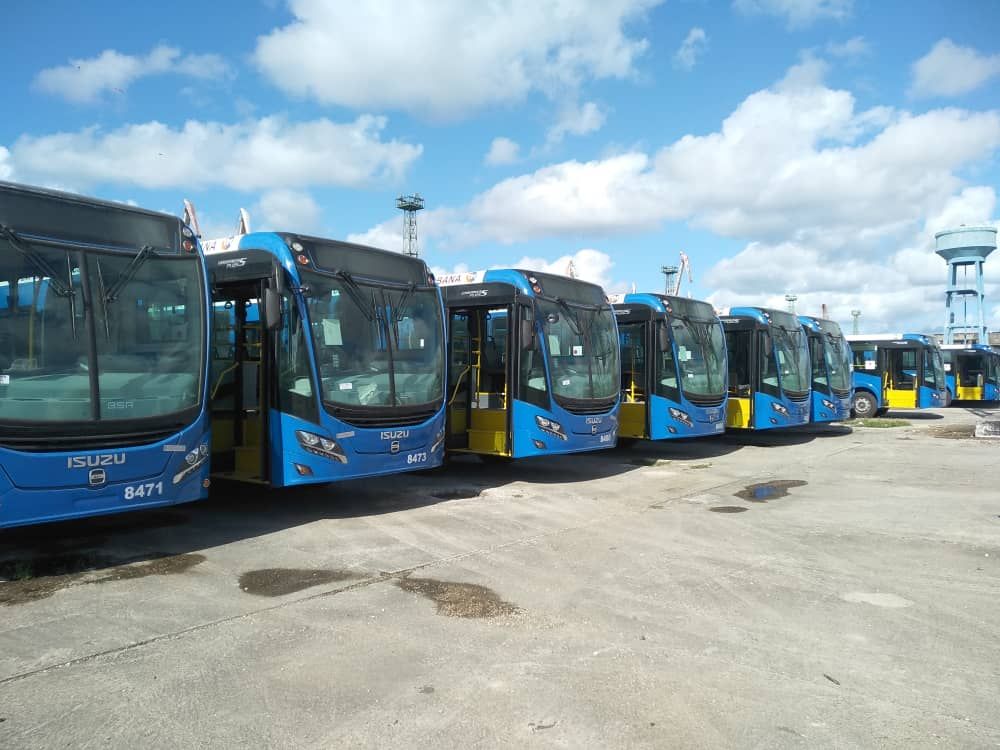
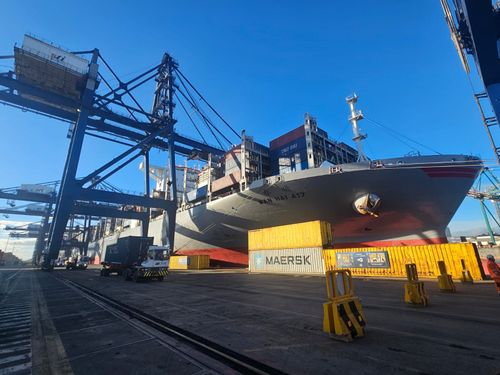
The Colombian automotive industry recorded an outstanding performance during the first four months of 2026, with positive results in exports, production, and employment. According to an analysis by the Ministry of Commerce, Industry and Tourism of that country, between January and April 2026, Colombia sent 7,613 units of cars and buses abroad, representing a growth of 191% compared to the same period in 2025.
According to the ministry, in terms of value, these external sales reached USD 98.4 million, with an increase of 100.2%.
This performance was accompanied by an increase in manufacturing activity. Between January and April, the manufacturing of motor vehicles and their engines grew by 48.6%, while employment in the sector increased by 11.2%, an evolution that reflects greater productive dynamism in this industry and an expansion of its capacity to generate employment.
Colombia's Minister of Commerce, Industry and Tourism, Diana Marcela Morales, noted that the joint analysis of these indicators allows for a more precise evaluation of industrial policy results.
"The reindustrialization policy of President Gustavo Petro's Government sought to expand the country's productive capacities through public policy instruments aimed at stimulating investment, promoting industrial development, and favoring greater sophistication of the productive structure. In the automotive industry, the simultaneous growth of exports, production, and employment constitutes a relevant signal of how these instruments translate into greater manufacturing capacity, the strengthening of value chains, and a more solid insertion into international markets," affirmed the Minister.
The main destinations for Colombian car and bus exports were Mexico, Argentina, Ecuador, Peru, and Venezuela. For their part, Antioquia, Risaralda, and Cundinamarca concentrated the largest origin of these external sales.
The evolution observed in these indicators occurs within the framework of the implementation and strengthening of industrial policy instruments developed in articulation with the automotive industry to improve production conditions, promote national assembly, and expand the sector's international insertion opportunities.
Among the main measures are the strengthening of the Tariff Instrument for Automotive Improvement (IAMAS), designed to promote national production and improve the sector's competitiveness; the reactivation of the Tax Refund Certificate (CERT), as a mechanism to incentivize exports by returning a portion of the taxes associated with production processes; and the adoption of different tariff measures aimed at strengthening national industry.
"The automotive industry occupies a strategic place within the reindustrialization policy due to its capacity to articulate a wide network of suppliers and manufacturing activities, integrate value chains, and incorporate knowledge, technology, and innovation into productive processes. Its strengthening generates effects that transcend vehicle production: it expands the country's manufacturing base, boosts multiple economic activities, and creates better conditions to diversify Colombia's exportable offer and consolidate an international insertion with greater added value," concluded Minister Morales.
Source: Portal Portuario