• 2 min de lectura
• 2 min de lectura
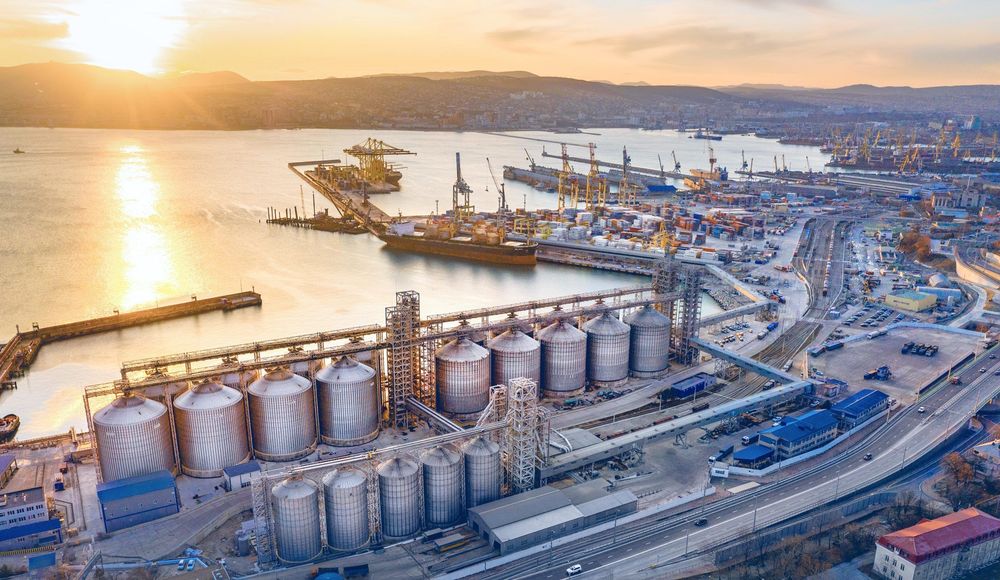
Three of Russia's main grain terminals in the Black Sea have restricted the reception of grain by trucks. The measure responds to increased navigation risks and a higher cargo flow resulting from limitations applied in the Sea of Azov, five industry sources told Reuters.
Russia, the world's largest wheat exporter, restricted the passage of vessels through the Sea of Azov after Ukrainian drone attacks on several bulk carriers on that route, which accounts for about a quarter of its foreign shipments.
Authorities diverted grain from the fertile southern regions, previously sent via the Sea of Azov, to deep-water Black Sea terminals using road and rail transport.
However, attacks on Black Sea ports have also increased. "Risks have increased, and fewer and fewer people are willing to take reckless risks," one of the sources said.
The three terminals that have restricted land deliveries are Novorossiyskiy Zernovoy Terminal (NZT), Kombinat Stroykomplekt (KSK), and Zernovoy Terminalnyy Kompleks (ZTKT), which have the capacity to ship more than 20 million tons of grain annually. In total, Russia's maritime grain exports are around 50 million tons annually.
The two Novorossiysk terminals accept grain transported by rail, but this type of shipment is only possible from Russia's southern regions, one source noted.
About a third of the grain handled by both facilities arrives by truck, while the ZTKT terminal receives goods exclusively by land. These terminals supply the main buyers of Russian grain, including Egypt and Turkey.
The Port of Kavkaz, used to transship grain from small vessels in the Sea of Azov to larger ships, was closed almost immediately after navigation restrictions were imposed in that area on July 10, sources told Reuters.
Russia banned the nighttime movement of vessels entering and leaving the Novorossiysk port area a week ago due to drone attacks, a measure that remains in effect, another source added.
The sources indicated that Russia seeks to further diversify its exports, and ports in the Baltic region are expected to be a priority in the near future as the safest alternative route.
The Caspian Sea route also represents an option, the sources said, although it is mainly used for shipments to Iran, and risks in the area are also increasing due to the war in the Middle East and, more recently, a Ukrainian attack on an Iranian vessel.
According to sources, shipments via the Caspian Sea have not increased since mid-July.