• 3 min de lectura
• 3 min de lectura
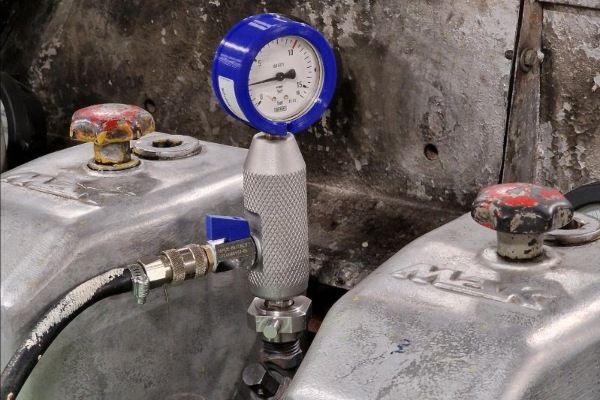
The German company CM Technologies (CMT) introduced a compact pressure drop test instrument (PDTI) designed to identify leaks in cylinders before they lead to increased fuel consumption, costly repairs, and vessel downtime.
During the compression process of a diesel engine, a loss of pressure can be an early indication of deteriorating piston rings (gas leaks), cylinder liner wear or damage, or leaks in the intake and exhaust valves.
Although initial symptoms may seem relatively mild, pressure loss can indicate developing wear within the combustion chamber, stated David Fuhlbrügge, Managing Director of CMT. "Any pressure loss in the cylinder also represents a loss of energy that would otherwise act on the piston during combustion. As a result, the engine will require more fuel to compensate for the reduction in pressure and maintain the necessary power," he explained.
The company stated that pressure drop tests should be part of routine engine condition monitoring, but the availability of a simple and specific test for this purpose is limited.
"Checking if a cylinder is losing pressure should be a standard test, but there are relatively few specific instruments. Some teams have developed their own rudimentary tests, which may work, but they don't offer a uniform solution for the entire fleet. Customers contacted us because they were looking for a simple, standardized instrument that would provide more consistent results," added Fuhlbrügge.
The PDTI system works by introducing pressurized air into the combustion chamber through the engine's indicator valve. Once the required pressure is reached, the system is locked and allowed to rest for a specified period. The pressure loss during that period is measured.
By repeating the procedure across the entire engine and comparing the rate of pressure decrease between different cylinders, engineers can identify those that lose pressure more quickly than others.
These outliers can indicate leaks associated with worn or damaged piston rings, the condition of the cylinder liner, or leaking valves.
"Acceptable pressure loss depends on the engine and its specified operating limits. However, comparing results between cylinders provides engineers with a practical means to identify deviations and determine where a more thorough inspection may be necessary," also stated the Managing Director of CMT.
If pressure leaks occur in the combustion chamber, energy is lost. This can contribute to increased fuel consumption, as more fuel might be needed to compensate for the loss. Pressure drop tests can also indicate common problems such as deteriorating piston rings or exhaust valve failures.
The PDTI itself is manufactured using additive manufacturing, where stainless steel powder is formed layer by layer through a specialized 3D printing process. This method allows for the incorporation of complex internal pathways while maintaining the integrity of the instrument's external structure.
"Pressure leaks are easy to overlook, but they can be an early indication that the engine is starting to deteriorate. A simple comparison of pressure drop between cylinders will help save fuel and provide engineers with useful information before it becomes a costly problem," concluded Fuhlbrügge.