• 2 min de lectura
• 2 min de lectura
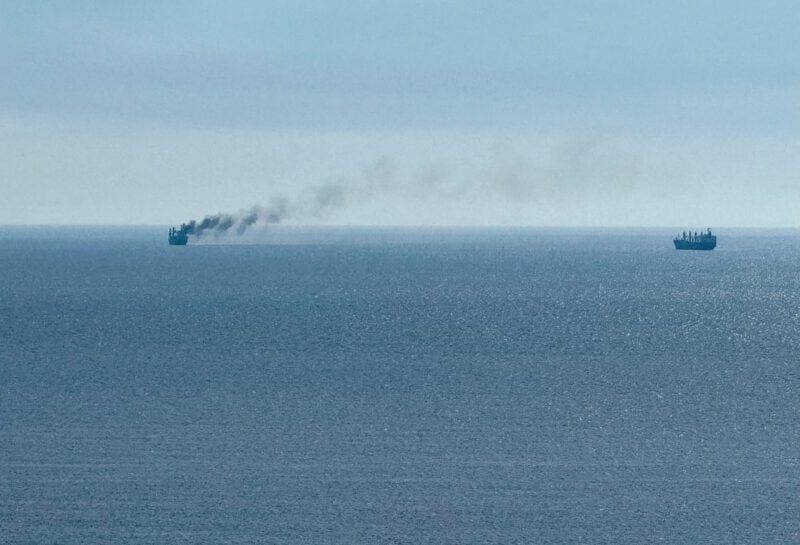
Freight costs for oil tankers shipping crude from the Black Sea to the Mediterranean have risen to a record after a flurry of drone attacks, driving down prices for Kazakhstan's main CPC export grade.
Daily earnings for tankers on the route rose to $440,948, climbing to the highest in Baltic Exchange data compiled by Bloomberg starting in July 2008. The rate, which is based on 135,000-ton shipments from Novorossiysk on Russia's Black Sea coast to Sicily's Augusta, has jumped 140% since the most recent attacks began in early July.
Differentials for CPC crude have fallen as a result of surging freight and insurance costs, according to two traders involved in the market who asked not to be identified as they aren't authorized to speak publicly. Would-be buyers are also cautious because they expect freight costs to fall sharply once the situation at the export terminal normalizes, the people said.
Shipments of CPC Blend are set to fall by a third this month from the original plan after repeated disruptions at the terminal near Novorossiysk, where loadings have been suspended several times in recent weeks after drone attacks targeted vessels attempting to call there. Ukraine has now agreed not to target some non-Russian oil tankers and Black Sea infrastructure critical for exporting Kazakhstan's crude, following talks involving the US.
CPC Blend crude grade traded at its lowest for more than a year on Tuesday in the closely-watched Platts pricing window operated by S&P Global Commodity Insights. TotalEnergies SE purchased 90,000 tons of CPC Blend from Gunvor for late August-early September delivery at $4.60 a barrel less than the Dated Brent benchmark, the weakest price since January 2025.
The average differential for CPC Blend to North Sea Dated dropped sharply last month "as insurers roughly doubled war risk premiums in the zone," the International Energy Agency said in a monthly report Wednesday.