

Five municipalities in the logistics corridor gather 10.6 thousand family establishments; the resumption of navigation seeks to reduce costs and improve the outflow of regional production.
Published on 11/03/2026 10:34
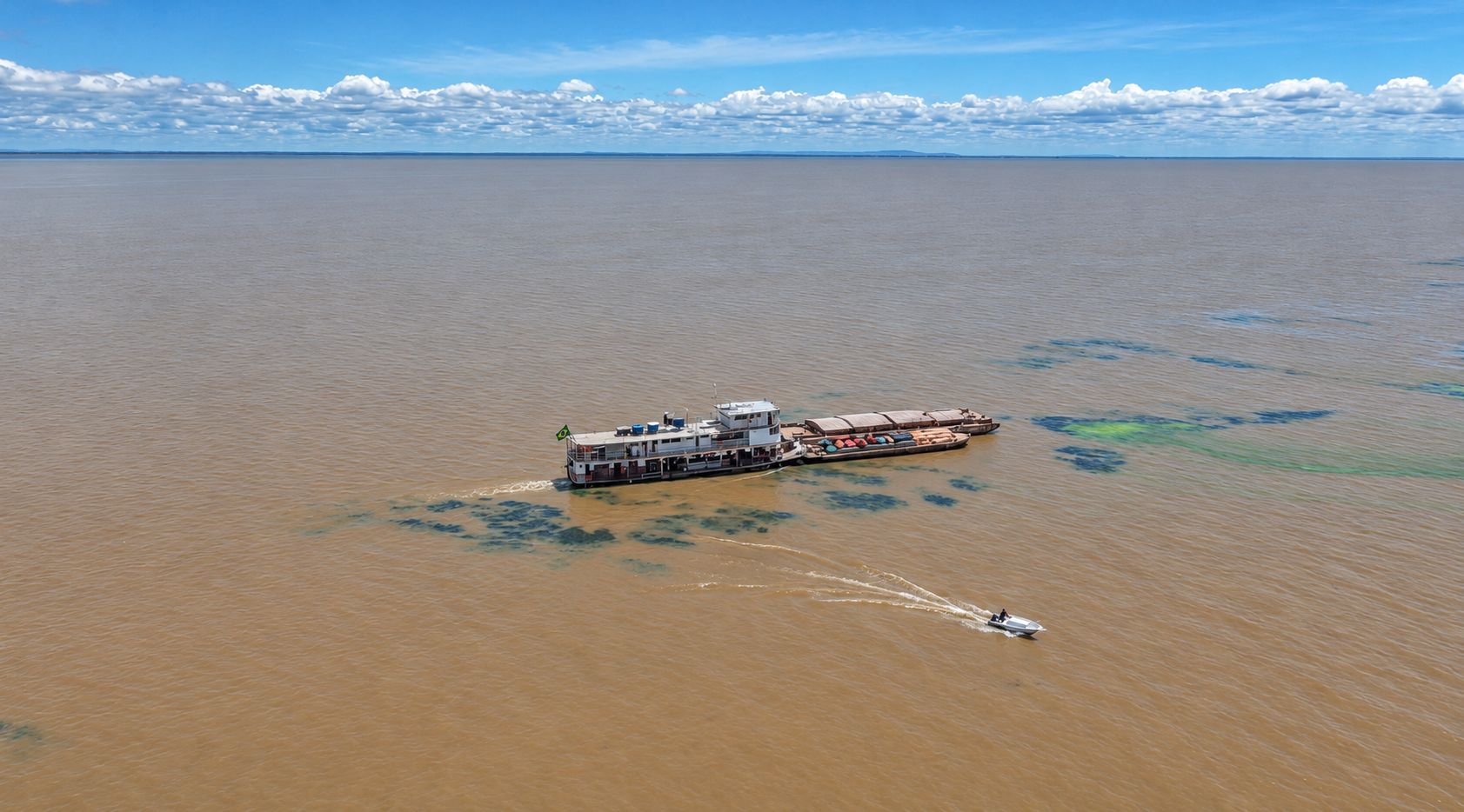 Through the HN-500 program, training for communities and small producers is also planned for activities of receiving and outflowing agricultural production by river. Photo: SG Denis Rocha/ Brazilian Navy
The reactivation of the São Francisco Waterway, currently under study by the Ministry of Ports and Airports (MPor) and the Companhia das Docas do Estado da Bahia (Codeba), could expand alternatives for agricultural production outflow and facilitate family farming's access to new markets. Five municipalities in the logistics corridor between Minas Gerais, Bahia, and Pernambuco gather 10,628 family establishments, equivalent to 63.87% of the total agricultural establishments in these municipalities.
The data comes from the 2017 Agricultural Census (the latest census available) by the Brazilian Institute of Geography and Statistics (IBGE), provided by the Brazilian Agricultural Research Corporation (Embrapa).
In total, Petrolina (PE), Juazeiro (BA), Ibotirama (BA), Sobradinho (BA), and Pirapora (MG) sum 16,639 agricultural establishments. The Embrapa panel presents this information on the municipal cartographic base of 2022.
For the Minister of Ports and Airports, Tomé Franca, the resumption of the waterway must also consider the needs of small producers. "We want to expand transport options so that inland production reaches more markets at a lower cost. With the resumption of the São Francisco Waterway, we need to create conditions for family farmers to also use this infrastructure and expand their income opportunities," he stated.


