• 2 min de lectura
• 2 min de lectura
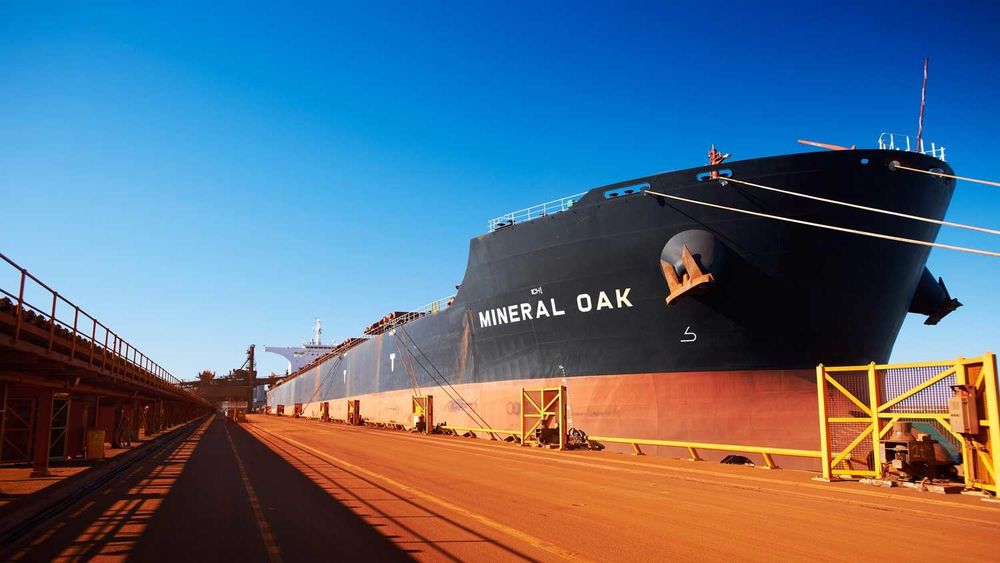
BHP's unified port union reported that it failed to reach a wage agreement with the mining company for workers in Port Hedland, Western Australia.
The parties expect to resume negotiations on August 25, after months of unfruitful talks to renew the collective agreement for some 450 operators and maintenance staff, out of a total workforce of over 800 employees the company maintains at the terminal.
The union stated that "BHP presented a proposal that does not adequately address the concerns of the people whose hard work generated those $13 billion in profits," adding that workers will consult their elected representatives on options to pursue, including counter-offers.
For its part, a company spokesperson told Reuters that they remain "committed to negotiating in good faith and believe that the involvement of all parties through the Commission is the best way to reach a fair and reasonable agreement."
Additionally, the mining company offered a 16% wage increase for most port personnel over the four-year agreement, in addition to increases in certain allowances.
It is worth noting that BHP reported annual profits of $13.2 billion - exceeding market forecasts - and declared its highest annual dividend in four years.
The earnings presentation coincided with the labor dispute in Port Hedland, the world's largest iron ore export hub, where some 150 workers carried out a second scheduled strike on August 8 and 9, marking the first major industrial action at the terminal in a quarter of a century.
Despite the port shipping approximately $80 million worth of ore daily, the mining company's CEO, Brandon Craig, ruled out an impact on the company's operational performance.
Meanwhile, the unions are demanding binding guarantees on wages and working conditions, arguing that extreme heat, long shifts, and family separation justify wages equivalent to those in urban areas.
Miners are among the highest paid in Australia, in the Pilbara region. Sector personnel earned an average income of 191,000 Australian dollars in the 2023-2024 financial year, according to a survey by the Chamber of Minerals and Energy (CME).