• 2 min de lectura
• 2 min de lectura
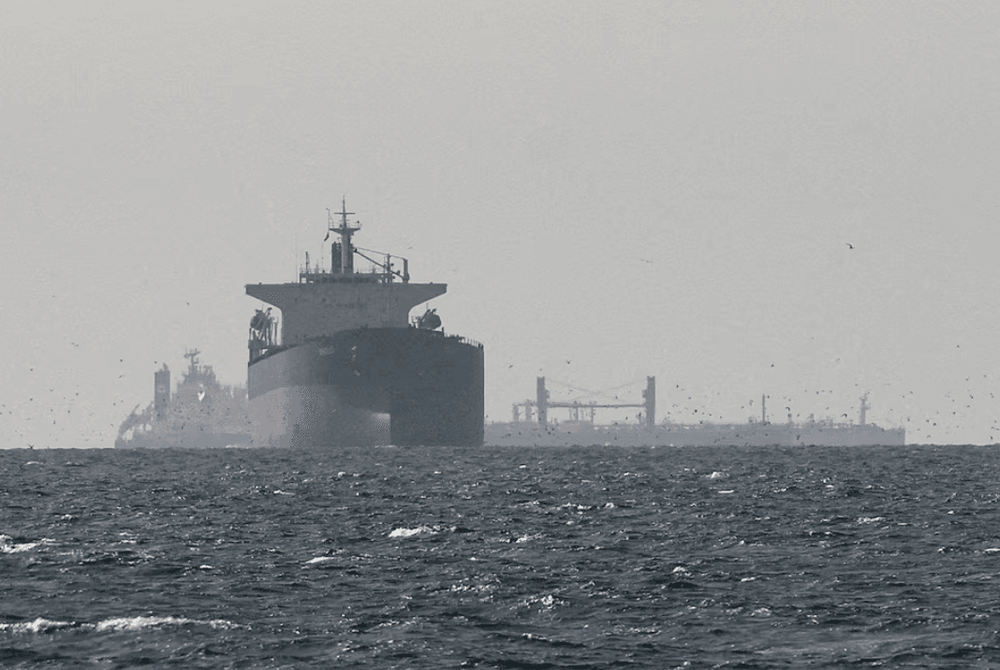
Ship transit through the Strait of Hormuz plummeted on Tuesday, September 15, to only four crossings, down from seven the previous day, falling below the average of 18 recorded over the last 10 days, according to preliminary maritime sector data.
This drop in traffic in a waterway that, before the war with Iran, managed a fifth of the world's oil and liquefied natural gas supply, is a response to the intensification of attacks in the area.
Of the total recorded on Tuesday the 15th, two vessels were exiting the passage and two others were entering, according to the data. No supertankers (VLCC) or liquefied natural gas (LNG) carriers participated in these operations.
It is possible that some vessels are navigating this waterway with their transponders turned off, so they are not counted in the records.
The Salute, a very large gas carrier (VLGC) transporting about 470,000 barrels of liquefied petroleum gas, exited via the Iranian route; while the Panamax-sized tanker Nautilus, with a cargo of about 510,000 barrels of naphtha, left the area via an unidentified route in stealth mode.
Meanwhile, the two vessels that entered were sailing with cargo. One of them was a short-range tanker for dirty products and the other, a solid bulk carrier. Both entered via the Iranian route.
Meanwhile, the number of ships that sailed through the Bab el-Mandeb Strait stood at 22 on Tuesday the 15th, with little change compared to the 24 recorded the previous day.