• 3 min de lectura
• 3 min de lectura
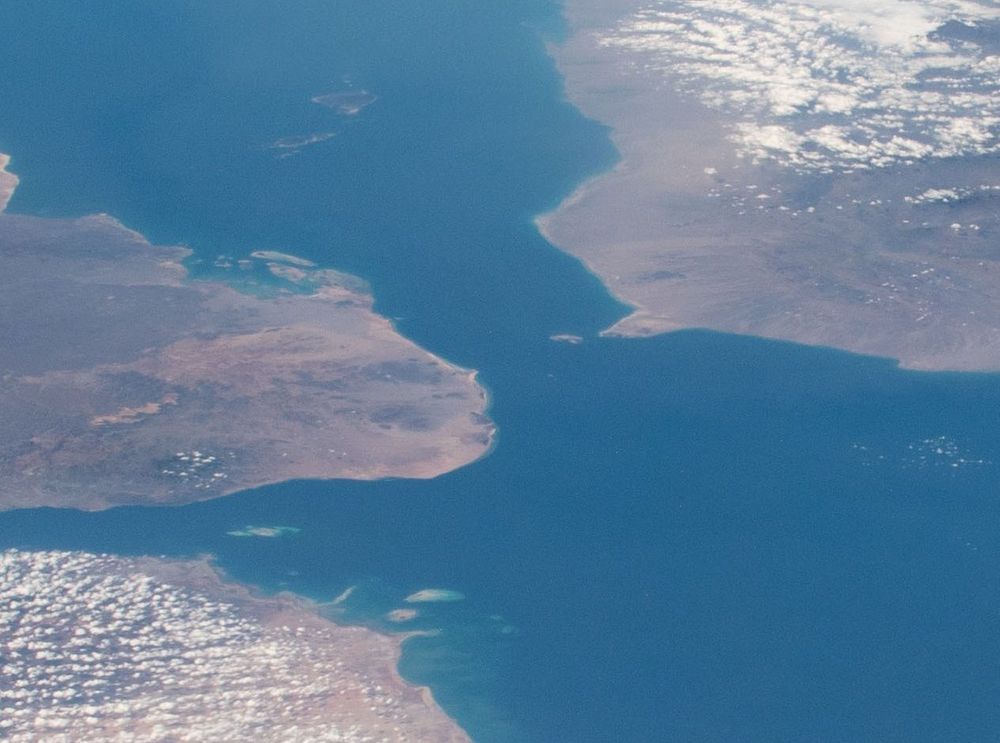
The escalation of the conflict off the western coast of Yemen has paralyzed maritime traffic through the Bab el-Mandeb Strait, threatening a critical chokepoint for global logistics.
The waterway is experiencing its least active days in history, adding to the crisis in global trade and energy supply caused by the blockade of the Strait of Hormuz.
10% of global maritime trade and 12% of crude oil shipments pass through the Bab el-Mandeb Strait. Military developments in the region have turned this passage into a vulnerable point in the global supply chain.
The resurgence of the conflict in Yemen since July altered the regional control map, after the Houthis secured the entire province of Hodeida and advanced west towards Taiz, seizing Red Sea coastal cities like Mocha and access routes to the Bab el-Mandeb Strait.
After taking Mocha, the Houthis captured the Hanish archipelago, Mayun Island, and the town of Dhubab, all located in the vicinity of the Bab el-Mandeb Strait.
The capture of Mayun Island, situated at the entrance of the western channel, raised security risks to the highest level.
An average of 33 vessels transits the waterway daily, but traffic fell by 88%, with only four vessels crossing in the last 24 hours, according to data from the International Monetary Fund (IMF) PortWatch platform.
The passage of oil and chemical tankers decreased by 91%, recording the transit of only one vessel in the last 24 hours.
In parallel, container ship traffic fell by 86% below its average.
The few vessels that managed to transit the waterway flew flags from Panama, Singapore, Liberia, and Ethiopia.
The Bab el-Mandeb Strait constitutes the most critical southern gateway for goods and oil traveling from Asia to Europe via the Suez Canal, as well as for raw materials destined for the Asian continent.
Global shipping companies and energy firms are losing this safe passage amid increasing military tensions, and are therefore continuing to divert their vessels around the Cape of Good Hope, at the southern tip of Africa.
Circumnavigating the African continent prolongs journey times by weeks and causes a marked increase in freight rates and insurance policies.
The growing Houthi pressure on the strait could trigger a new wave of shocks in the global oil market, analysts point out.
The bottleneck in the region is affecting alternative diversion plans for global energy routes.
Saudi Arabia has the capacity to transport its crude oil directly to Red Sea ports via the East-West pipeline, bypassing the Strait of Hormuz; however, tankers loading at these ports and heading south to international markets must necessarily transit the Bab el-Mandeb Strait.
A blockade of this strait would threaten the viability of the route conceived to circumvent the already conflict-ridden Strait of Hormuz.