• 2 min de lectura
• 2 min de lectura
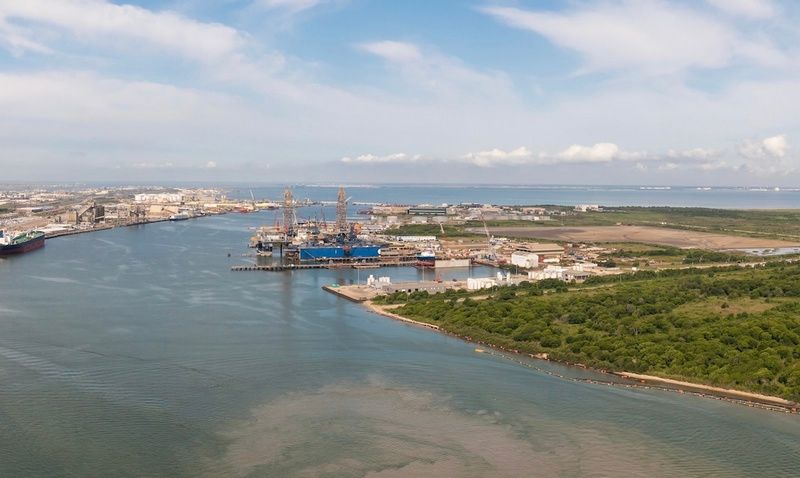
The Port of Galveston has announced a plan to develop new facilities on Pelican Island, creating a new LNG bunkering site for cruise and cargo ships.
According to a press release, the initiative is part of a $40 million project to create a multi-use berth that will also support cargo and shipbuilding operations, in addition to LNG supplying.
Galveston Wharves Port Director and CEO Rodger Rees said that new marine fuel bunkering is a much-needed development for the port.
He added that the LNG will provide both cruise and cargo ships with a cleaner fuel, improving the regional air quality.
The long-discussed supply can also attract newer cruise ships to homeport in Galveston, spurring further development, he continued.
Rees explained that the LNG bunkering will be provided by a developer, which is currently pursuing what he called a comprehensive marine LNG fueling solution for the port.
With some of its operations located on Pelican Island, the solution would include a modular production facility and LNG marine bunkering, he added.
The port authorities currently own 357 acres of waterfront land on the island, including 100 acres located across from main cruise and cargo operations on Galveston Harbor.
"We propose to fund the estimated $40 million berth and other infrastructure improvements with port operating reserves supplemented with federal and state grants," Rees noted.
He said that the project is also aimed at enhancing the port's shipbuilding operations, creating critical logistics to reduce supply chain bottlenecks and accelerate contract delivery and jobs creation.
"It's exciting to see the port's plans for Pelican Island, our next great growth opportunity, coming into focus," Rees added.
Galveston currently serves as homeport for a single LNG-powered cruise ship: Carnival Cruise Line's Jubilee.
The port is also set to welcome two additional LNG-fueled ships in the near future, including Royal Caribbean's Icon of the Seas in 2027 and Carnival's new Tropicale in 2028.
Fuente: cruise industry news