• 3 min de lectura
• 3 min de lectura
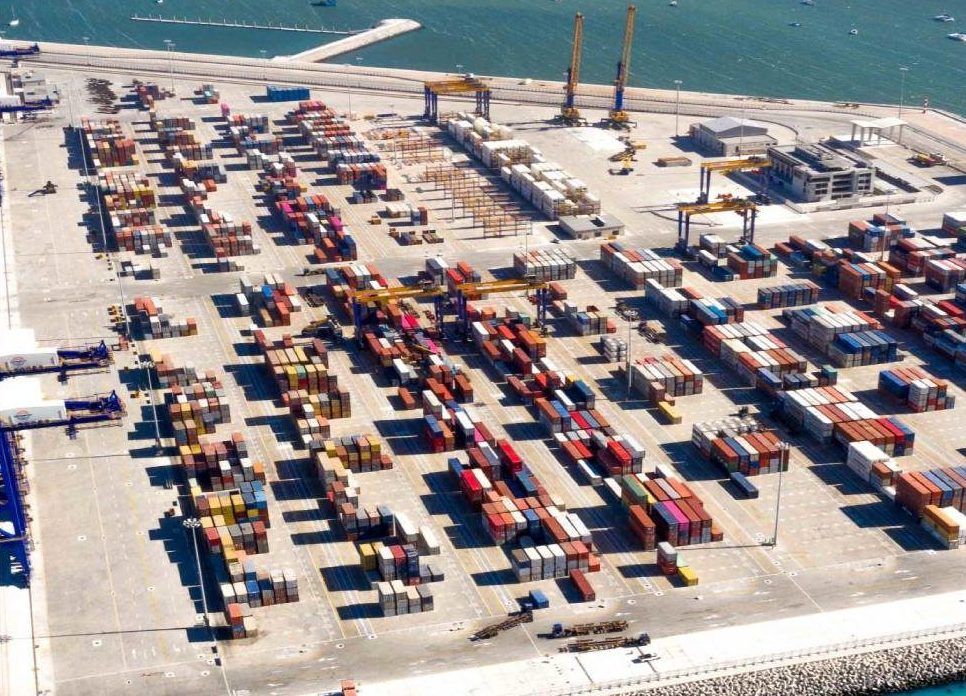
Prodevelop S.L., in consortium with Cenit (Innovation Centre for Transport) and local partner WKN Trading Enterprise CC, will support the technical implementation of a digital port call optimization platform in two Namibian ports.
The project will demonstrate how real-time data exchange among port community stakeholders can reduce vessel waiting times, improve operational efficiency, and contribute to measurable reductions in greenhouse gas (GHG) emissions from ships while in port.
The 18-month implementation period for the pilot project, under Phase II of the Global MTCC Network (GMN) project implemented by the International Maritime Organization (IMO) and funded by the European Union (EU), builds on the pilot announced by the IMO in November 2025 and marks the transition from technology identification to full on-the-ground implementation.
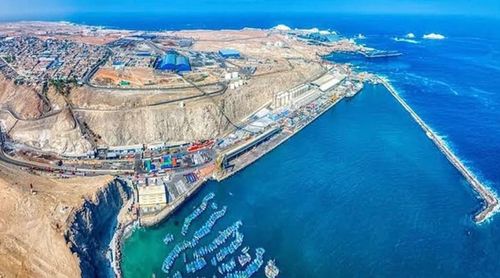
The platform will be deployed in the ports of Walvis Bay and Lüderitz, where the pilot will support reductions of up to 7% in annual GHG emissions for ships while in port. Continuous data collection during the pilot will help assess environmental benefits and support consideration for wider adoption in African ports.
The implementation will be carried out by a consortium led by Prodevelop, working alongside Cenit, an innovation unit of CIMNE, a Barcelona-based research center with a track record in EU-funded maritime decarbonization projects. WKN Trading Enterprise CC will provide essential local support, on-site coordination, and knowledge transfer to Namibian port staff throughout the project.
The Namibian Ports Authority (Namport), as the main beneficiary, will participate in the deployment and use of the platform in both ports. The pilot will be implemented in close coordination with MTCC Africa, the Maritime Technology Cooperation Centre established under Phase I of the GMN to promote sustainable maritime practices and energy-efficient technologies in the African region.
At the heart of the project's technical solution is Posidonia Operations with its Port Call Optimization module, a SaaS digital platform developed by Prodevelop that enables real-time data exchange among port community stakeholders, including port authorities, terminal operators, shipping agents, pilots, and tugboat companies. This supports better sequencing and management of each vessel call.
The platform implements standardized APIs aligned with the DCSA Just-In-Time (JIT) Port Call Program and the International Task Force on Port Call Optimization (ITPCO). This supports interoperability and replicability across different port contexts.
The GHG emission calculation methodology is based on EMEP-EEA guidelines and is grounded in the experience of the European Pioneers project, with relevant applications in ports such as Barcelona (Spain) and Antwerp and Bruges (Belgium).