• 2 min de lectura
• 2 min de lectura
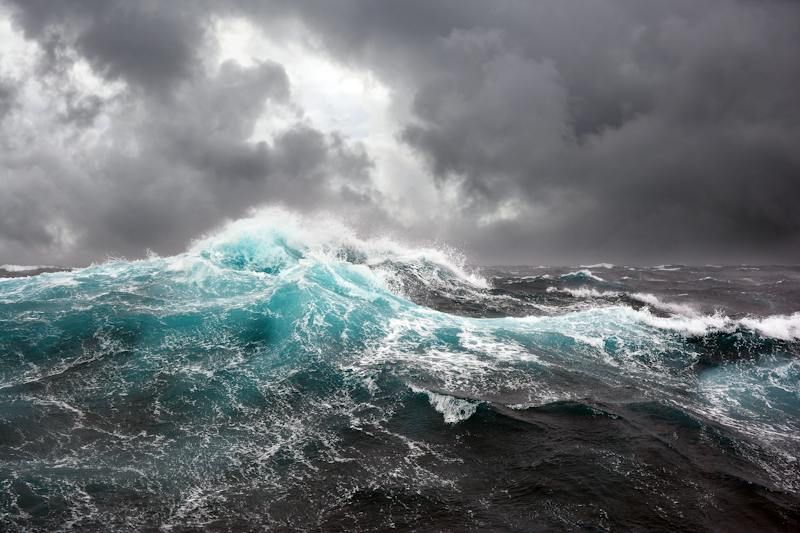
The Atlantic hurricane season has passed its traditional September 10 peak without a single hurricane forming, an unusually quiet period for the basin.
Typically, September is one of the most active parts of the season, when warm ocean temperatures provide favorable conditions for tropical systems.
The lack of hurricanes so far has been very unusual by historical standards. Ever since 1944 (when systematic aircraft reconnaissance of the Atlantic basin began) the first hurricane of the season had formed every year by September 11.
According to the National Oceanic and Atmospheric Administration (NOAA), there are no tropical cyclones anywhere in the Atlantic, the Eastern Pacific or the Central Pacific at this time. The agency is currently monitoring a single disturbance, with a 40% chance of cyclone formation in the next seven days.
Earlier this year, NOAA predicted a below-average hurricane season, forecasting between eight and 14 named storms this year, with three to six that could potentially develop into hurricanes.
For the cruise industry, the unusually quiet conditions have meant fewer weather-related disruptions and itinerary changes during a period that is normally linked to increased hurricane risk.
One of the main factors behind the quiet season is a strong El Niño pattern in the Pacific, which has contributed to wind conditions that are unfavorable for Atlantic hurricane formation.
However, the season is not over yet. Since it officially runs through November 30, October can still bring significant activity and potential tropical storms.
Cruise lines operating in the Caribbean, Gulf of Mexico and Bahamas continue to monitor conditions closely for possible tropical activity that can develop later in the season.