• 4 min de lectura
• 4 min de lectura
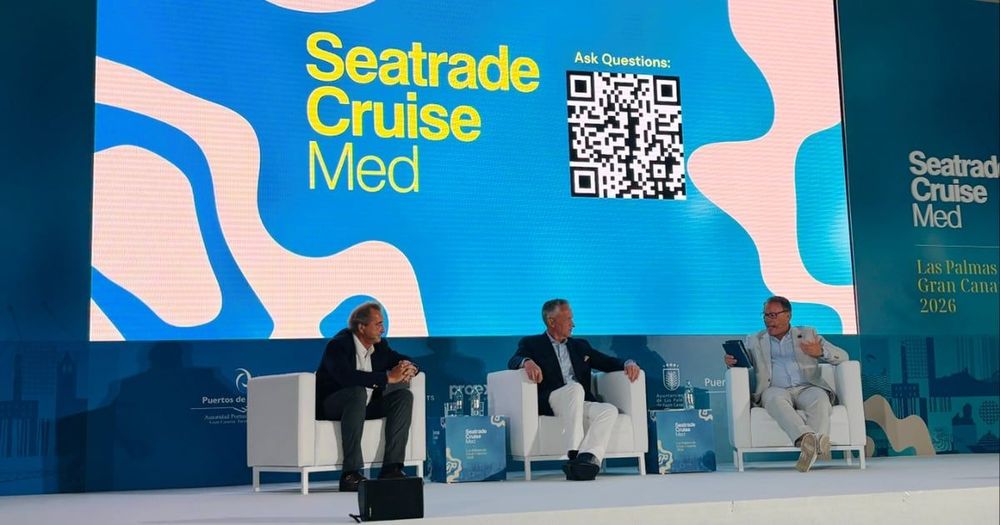
Hotel brands in the ultra luxury cruise sector noted the complexities of balancing onboard experiences with shore excursions at Seatrade Cruise Med 2026 in Las Palmas.
Ben Trodd, CEO of Four Seasons Yachts, told attendees that the line has "learnt a lot as a brand, mostly from our guests" during its initial operations. The brand gathered insights and analytics to understand market positioning, with one key finding being that "passengers have a desire to explore the flexibility the yacht offers, in all the cities around the world."
Trodd explained that passengers expect the yacht to "behave like a concierge in a luxury hotel," to be "agile," without much forward planning around where to visit.
Orient Express Sailing Yachts received Corinthian at the end of April and revealed the ship at the Cannes Film Festival before running private charters. Speaking at the panel moderated by Jason Gelineau, its CEO, Philippe Hetland-Brault, acknowledged being only eight weeks into cruise operations, making it too early "to draw any conclusions." Nevertheless, he noted the challenge of finding "a proper balance" between the experience onboard and the shore experiences passengers expect.
This ultra luxury segment is attracting passengers seeking stand out experiences that traditional cruising cannot provide. Trodd explained that Four Seasons identified the opportunity of launching a vessel by talking to hotel guests and discovering "where they're spending their money and their time." These passengers "wanted to travel by ship, but do exactly what they wanted, when they wanted to do it."
The line's demographic includes both existing Four Seasons guests and new customers, with a 50/50 split. The vessel has ushered in a more varied demographic, including families.
Hetland-Brault highlighted the impressive sustainability aspect of Orient Express Sailing Yachts, emphasising that the sails are "not only for a nice catalogue" but functional elements of the vessel's operation.
Managing external variables presents significant challenges for luxury operators. Trodd noted that changes in weather, oil prices, and various other external influences "make it a much more complicated business." The solution, he explained, starts with "what's most important to the guests" and then striving to execute to passenger standards.
Hiring the right people and training them correctly is essential, according to Trodd: "To me the most important [factor] is that we start there. You start with the bedrock of the guest."
Hetland-Brault acknowledged that luxury ships operations face unique port challenges, explaining: "We are probably less attractive to some ports, we are small, we don't carry many passengers, we spend 75% of calls at anchorage, so it's a completely different operation."
Both operators have invested heavily in tender operations to maintain service standards. Hetland-Brault described investing significant resources in "beautiful yacht tenders," but acknowledged that even in good weather conditions, multiple tenders in popular destinations like Monaco or St Tropez can create dangerous swell conditions. In such instances, where safe, passengers may be required to travel by ordinary tender, which calls for careful explanation.
Four Seasons has focused extensively on marina deployment capabilities, though Trodd noted challenges in certain destinations due to water depths.
Hetland-Brault revealed that Orient Express initially offered "typical seven-day itineraries" but discovered it would be "wise to create three- to four-night itineraries" based on passenger feedback.
However, this adjustment impacts experiences ashore, requiring careful planning. Plus, "we have to find these remote and sexy itineraries and we are not going to reinvent the sexy, iconic places," explained Hetland-Brault. In Europe, passengers especially desire St Tropez, Monaco and Corsica, while in the Caribbean, Saba is top of priority.
When asked whether excessive luxury could impede authentic exploration, Trodd maintained that "luxury means different things to different people" but for their passengers, it's about "choice" and creating "a memory."
Hetland-Brault noted that some passengers who typically charter private yachts are attracted to the ultra luxury cruise model because the space is "very generous," allowing passengers to isolate when desired or socialise and network with other passengers. He confirmed that Orient Express already has repeat cruisers booked for next year.
The panel took place on the final day of Seatrade Cruise Med 2026, highlighting the growing interest in luxury yacht cruising as hotel brands continue expanding their maritime offerings.