• 2 min de lectura
• 2 min de lectura
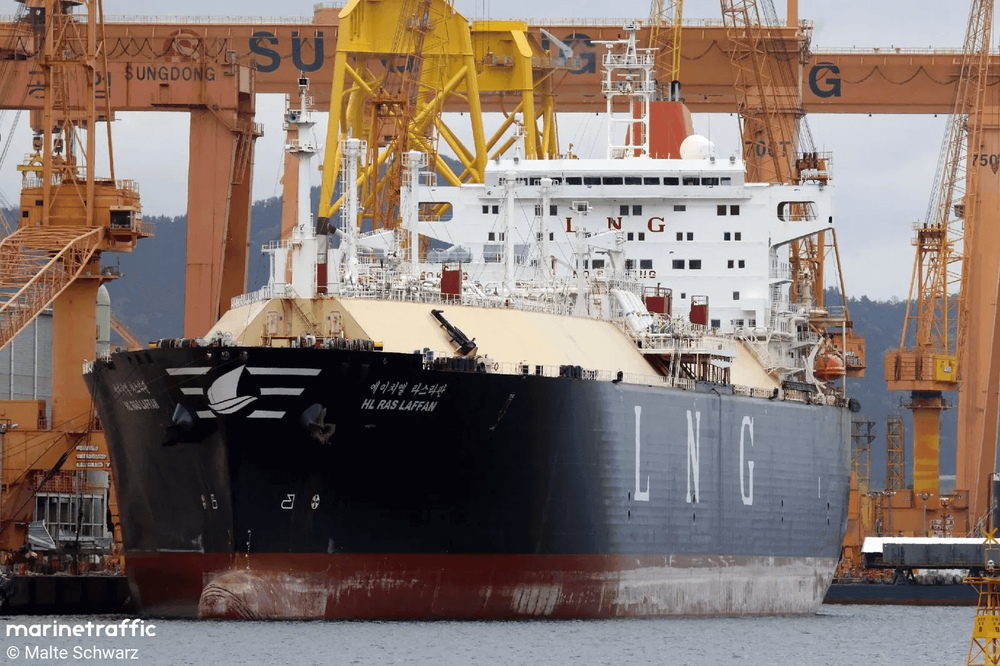
Nine workers were killed in a toxic gas leak during a shipbreaking operation at Ferdous Steel Ship Recycling in Chattogram, Bangladesh on 14 August. The shipyard's environmental clearance had already expired two days earlier, and its operations have since been suspended.
 Vessel RASI, image credit: Malte Schwarz
Bangladesh news media, The Star Daily, reported that the workers at Ferdous Steel Ship Recycling in Sitakunda, Chattogram, were cutting into a ballast tank of the Rasi when Hydrogen Sulphide (H₂S) gas was released from the tank, killing nine workers and injuring several others. The assistant inspector of the Department of Explosives confirmed that excessive H₂S levels caused the deaths.
According to The Star Daily, the paperwork relating to the dismantling of the Rasi showed that the ballast water had been drained on 5 July 2025, when the vessel arrived in Chattogram.
However, residual organic matter and sediments inside the tank can still generate H₂S through the action of sulphate-reducing bacteria. H₂S is a colourless gas that can impair the sense of smell at higher concentrations and is rapidly fatal.
The environmental clearance was issued on 12 August 2025 by the Department of Environment (DoE), Chattogram to Ferdous Steel Ship Recycling valid until 12 August 2026 and the incident occurred two days after it lapsed. Under Bangladeshi rules, yards must apply for renewal one month before the current clearance expires. Despite 30% of the vessel still remaining to be cut, Ferdous Steel did not apply for renewal.
The Bangladesh Ship Recycling Board (BSRB) has suspended Ferdous Steel's operations pending further action and has announced compensation for the families of the deceased.
Separately, the Department of Inspection for Factories and Establishments had filed a case in July over safety violations at the shipyard. A committee has been formed to investigate the cause of the incident, any negligence, and related shortcomings; its report is expected within a week.