• 3 min de lectura
• 3 min de lectura
The Kremlin welcomed the United States' proposal to agree on a truce with Ukraine regarding attacks on energy infrastructure, although it conditioned progress on the protection of maritime exports and the lifting of sanctions imposed on Russia.
Despite US President Donald Trump recently stating that both nations had agreed to suspend aggressions against their energy targets, neither party has ratified the pact.
In fact, the offensives continue, as Russia bombed gas stations in Kyiv on Tuesday, September 15, while Ukraine claimed to have hit a Russian oil refinery.
Kremlin spokesman Dmitry Peskov told reporters that Trump's suggestion is a "very good idea," but warned that more than that would be needed to reduce global fuel prices.
"It is necessary to ensure the security of navigation and commercial shipping here, including oil tankers. The Kyiv regime has not yet shown any inclination to ensure such security," Peskov said.
"And the second thing that must be done is, of course, to lift the sanctions (against Russia) and these illegal restrictions on energy supplies. Only then will the world be adequately supplied with these oil products, global markets will stabilize, and prices will fall," the spokesman added.
Peskov added that Russia would remain in contact with US authorities regarding Trump's proposal.
For his part, Ukrainian President Volodymyr Zelenskyy stated that Kyiv is only willing to support an energy ceasefire if Washington guarantees that Moscow is genuinely ready to end the war.
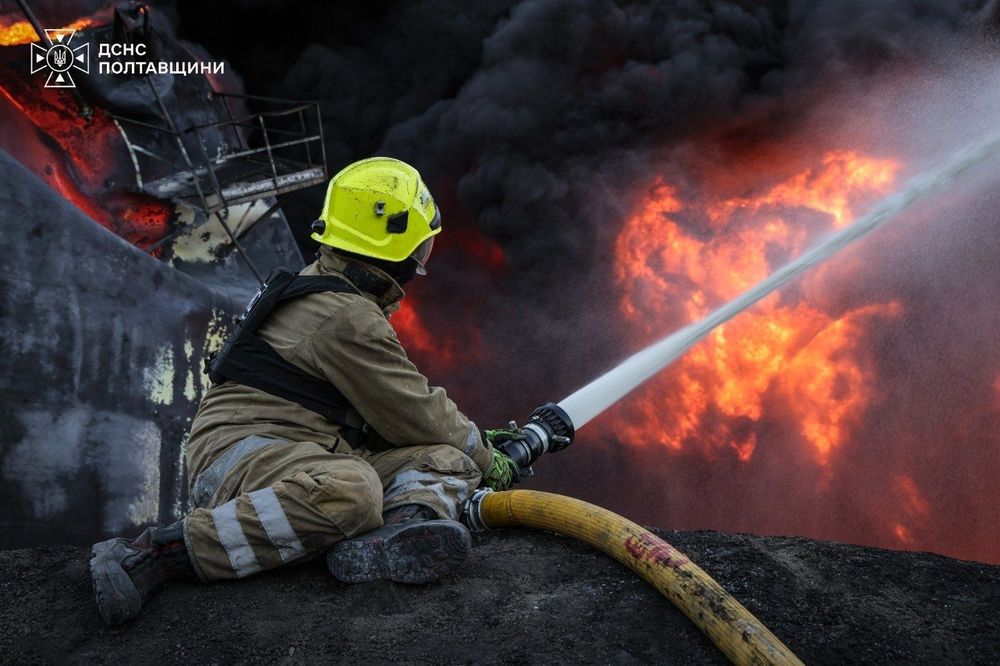
Ukrainian attacks on energy facilities have caused fuel shortages in Russia during the summer, forcing it to restrict its exports. This situation has exacerbated the shortage of gasoline, diesel, and aviation fuel in energy markets, driving prices up and fueling global inflation.
Ukraine, which suffers systematic Russian attacks on its own energy infrastructure, maintains that refineries are legitimate military targets.
On Sunday, September 13, Trump urged Zelenskyy to cease attacks on Russian diesel infrastructure, arguing that these offensives are causing a global shortage of the product that "is hurting the world."
The Kremlin stated on Monday, September 14, that the turmoil in international markets is mainly due to the conflict in the Gulf.
Trump launched military attacks against Iran in February, and Tehran responded by almost completely closing the Strait of Hormuz, a route through which nearly a fifth of the world's oil and gas supplies previously transited.
In parallel, Russia and Ukraine have intensified their attacks on cargo ships in the Black and Azov Seas. This escalation has increased the prices of grain, a commodity of which both countries are major global exporters.