• 3 min de lectura
• 3 min de lectura
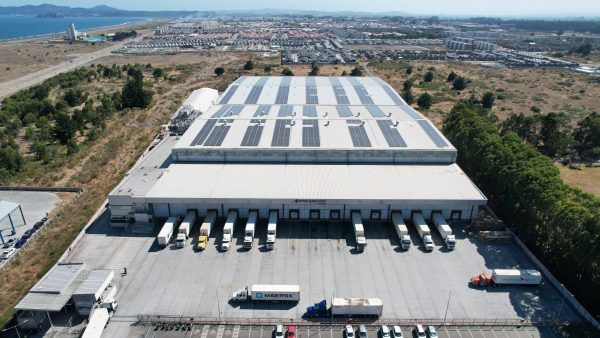
Emergent Cold LatAm increased its storage capacity in its regional operation by 52%, incorporated 31 new cold storage facilities into its network, and reduced its total greenhouse gas emissions by 23% in 2025.
The reduction in emissions occurred while the company expanded its infrastructure. Total emissions decreased from 51,809 to 39,759 tons of CO2 equivalent, while the share of renewable energy in the energy matrix increased from 60% to 65%.
The biggest change was recorded in the use of solar energy, which increased from 3.4 million to 16.8 million kWh during the period. In parallel, the installed capacity of solar panels increased by 67%, reaching 19.9 MW. The report links these investments to a lower dependence on non-renewable sources and a reduction in operating costs.
"For a company that operates infrastructure with high energy demand, sustainability means taking responsibility for growing while reducing the impact of our operations. These results demonstrate that it is possible to expand the infrastructure that the food industry needs and, at the same time, advance in energy efficiency, the use of renewable energies, and emission reduction. That is the standard we want to continue raising in Chile and Latin America," stated Moisés Ventocilla, Engineering Director at Emergent Cold LatAm.
In Chile, this process is also reflected in new certifications for cold storage facilities. During 2025, Emergent Cold LatAm obtained three EDGE Advanced certifications in Santiago and Talcahuano, while Chilean facilities were also among the 11 that received the GCCA Gold rating. With new certifications in Mexico and Colombia, the company now has 24 buildings with EDGE or LEED certification, 11 of them with a zero-carbon standard.
This process already had a precedent in Chile. In 2024, the San Pedro de la Paz warehouse obtained EDGE Zero Carbon certification and became the first temperature-controlled food warehouse in the world to receive this recognition. In 2026, the recently expanded automated cold storage facility in Santiago also received this important certification.
"The transformation of food infrastructure has already begun. The challenge now is for each new investment to raise the standard: more energy efficiency, greater use of renewable sources, and fewer emissions. Chile has the opportunity to continue strengthening its infrastructure for refrigerated and frozen foods under parameters that are already setting the course for the industry in Latin America and the world," Ventocilla concluded.
The 2025 results also show differences between emission sources. Direct emissions fell by 53% and those associated with energy consumption decreased by 7%, while those linked to the value chain increased by 35%, mainly due to the expansion of regional operations.
Overall, total emissions decreased by 23%. Based on these results, the company maintains that the next challenge is to bring that efficiency to the expansion of its infrastructure. In a food-exporting country like Chile, a more efficient cold chain can also become a competitive advantage.