• 3 min de lectura
• 3 min de lectura
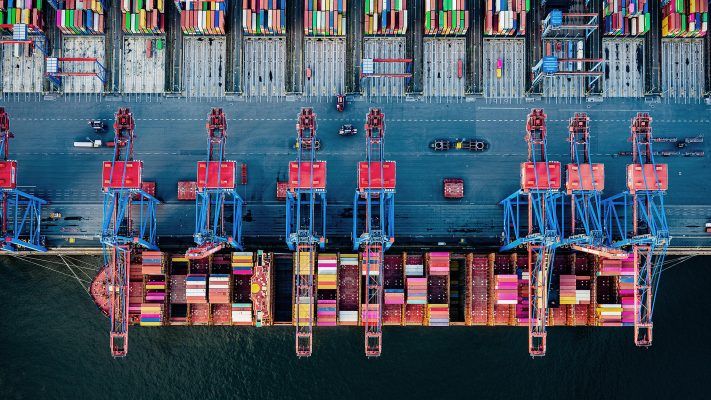
Hamburger Hafen und Logistik AG (HHLA) reported a decline in its key indicators in the first half, as the Group's container handling decreased by 6.7 percent to 2,959 thousand standard containers (TEU), and container transport volumes fell by 1.2 percent to 985 thousand TEU.
HHLA explained that its operations were negatively affected by the winter at the beginning of the year, extensive modernization measures to automate Hamburg's container terminals, and construction work related to the rail network, resulting in lower processing capacity and transport volumes.
Nevertheless, Group revenue increased by 3.0 percent to €910.9 million. Operating profit (EBIT) fell to €51.3 million (previous year: €79.4 million).
Jeroen Eijsink, CEO of HHLA, stated that "the modernization of our container terminals in Hamburg is a key investment for HHLA's future viability. Especially in a complex market environment, strengthening our long-term competitiveness is of vital importance. Therefore, we remain firmly committed to the investment program, even though the modernization work at our terminals and infrastructure work on the German rail network are currently affecting operations. Only in this way can we lay the groundwork for further improving the performance of our network and offering our customers the most reliable service in Europe in the long term."
In the container segment, the volume of containers moved at HHLA's container terminals decreased in the first half of 2026 by 6.7 percent, reaching 2,959 thousand TEU.
Compared to the same period of the previous year, cargo volume at Hamburg's container terminals fell by 7.3 percent, to 2,786 thousand TEU. In addition to the weak start to the year due to adverse weather conditions, cargo volume was affected by ongoing modernization measures at Hamburg's container terminals. Further obstacles arose from geopolitical tensions in the Middle East and associated changes in international trade flows, as well as service and customer-related changes as a result of alliance restructuring.
The decline in volumes on major shipping routes and feeder services was only partially offset by growth in other shipping regions. The proportion of seaborne handling by feeder services was 19.5 percent.
Meanwhile, international container terminals recorded a 4.6% increase in cargo volume, reaching 173,000 TEU – up from 165,000 TEU in the previous year. This increase was mainly due to the rise in seaborne handling at the Odessa Container Terminal (CTO). Conversely, seaborne handling volumes decreased at the HHLA TK Estonia and HHLA PLT Italia multifunctional terminals.
Despite the decrease in operational volume, revenue in the container segment remained virtually unchanged from the previous year, reaching €426.6 million (compared to €426.2 million in the previous year). This was mainly due to storage costs arising from longer dwell times, as well as the positive development of international container terminals.