• 2 min de lectura
• 2 min de lectura
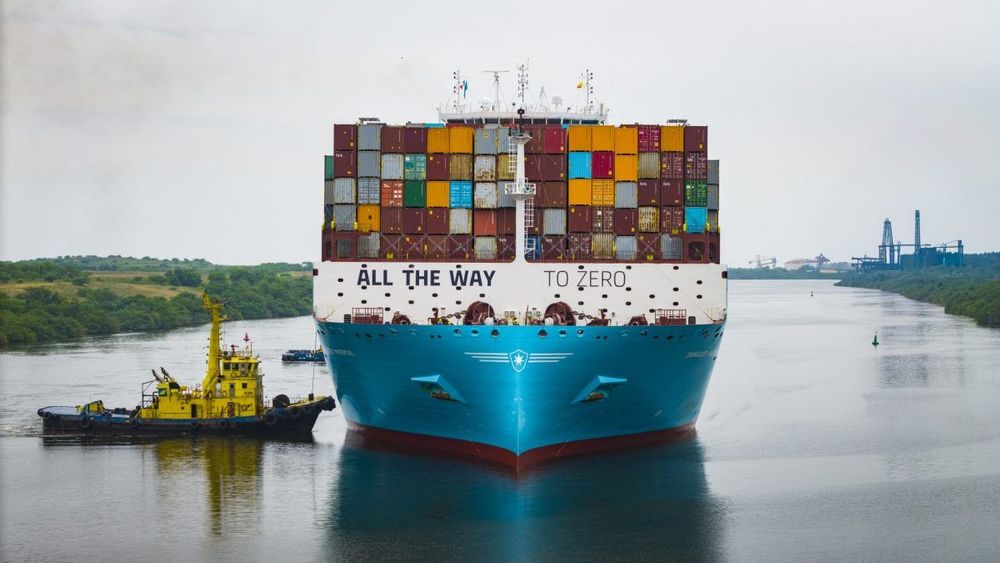
Maersk is reportedly preparing to place orders for approximately USD 9 billion for up to 42 container ships. Of these vessels, at least a dozen would have a capacity of 24,000 TEU, marking the first time the shipping company has ordered ships of that size.
According to Trade Winds, the planned new orders, all for LNG-powered vessels with dual-fuel capability, comprise 12 ships of 24,000 TEU, in addition to contracts for 24 vessels of 19,000 TEU and six of 18,600 TEU, according to shipping brokers and shipyard sources.
The agreement for the 19,000 TEU vessels would include a firm order for 12 ships, plus options for another 12, according to the report.
The contracts, which are likely to be confirmed in the coming weeks, come after Maersk CEO, Vincent Clerc, indicated that the world's second-largest container shipping company has achieved all possible growth from its existing fleet.
During the presentation of its second-quarter results, the company stated that it would ensure it had "the capacity to grow."
The second-quarter earnings announcement also revealed that Maersk has a significant cash reserve to expand its fleet, accumulated over recent years thanks to strong results and high freight rates.
The company's total cash and deposits reached USD 18.5 billion as of June 30. Typically, shipowners finance between 30% and 40% of the cost of new vessels with their own resources, while the balance is covered by bank financing.
Collectively, the new orders would increase Maersk's capacity by nearly 750,000 TEU, reaching 5.5 million TEU, far exceeding the limit the company had imposed on itself for years to maintain its total fleet capacity between 4 million and 4.4 million TEU. Currently, the shipping company has 4.36 million TEU of capacity in service, according to Sea-web, a sister company of Journal of Commerce within S&P Global.
The 24,000 TEU vessels would be destined for the Asia-Europe services of Gemini Cooperation, a market where Maersk had reportedly lost competitive advantage against its alliance partner Hapag-Lloyd and other shipping companies such as Ocean Network Express and CMA CGM, which have deployed large container ships on that route.