• 3 min de lectura
• 3 min de lectura
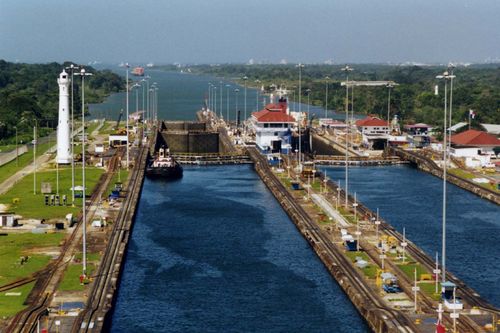
The Panama Canal commemorates 112 years of operations, maintaining its future vision to strengthen its strategic role in global trade, ensure sustainability, and generate benefits for the population, being a hub of world trade through which approximately 3% of international maritime trade transits.
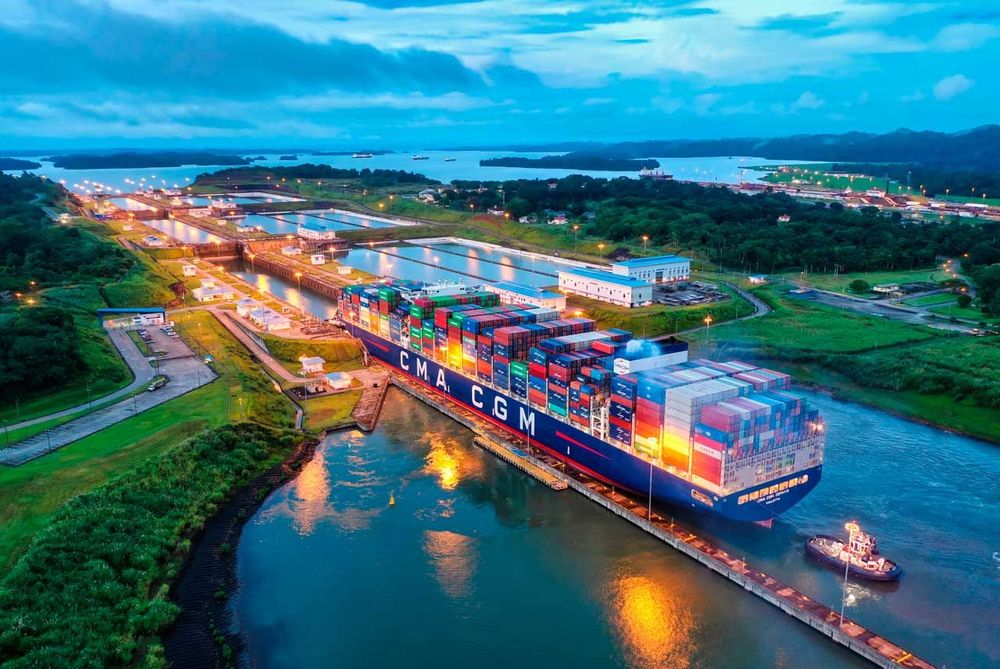
The interoceanic waterway, inaugurated on August 15, 1914, and expanded in 2016 with the incorporation of the Neopanamax locks, connects 180 commercial routes, 1,920 ports in 170 countries, and mobilizes cargo with an approximate commercial value of USD 444 billion annually.
With the aim of strengthening the Canal's competitiveness, increasing the added value of the route, and generating greater income for Panama, the interoceanic waterway is advancing with its 2025-2035 Vision of strategic projects, aimed at evolving from a maritime transit route to a world-class logistics, energy, and services platform.
Among these initiatives are the Río Indio Lake project, the container transshipment port terminals of Corozal, in the Pacific, and Telfers, in the Atlantic, which seek to expand national container transshipment capacity and strengthen international connectivity; as well as the Energy Corridor, which includes a gas pipeline of approximately 76 kilometers with access to terminals on both oceans for the transport of propane, butane, and ethane.
Operational Results
Parallel to the advancement of these strategic projects, the Panama Canal maintains a positive trend in its operational results, reflecting the growing demand for its services.
Between October 2025 and July 2026, the Panama Canal registered 10,623 transits of deep-draft vessels, representing a 6.12% increase compared to the 10,010 transits registered during the same period of fiscal year 2025. This growth is equivalent to 613 additional transits, reflecting a greater demand for the interoceanic route during the first ten months of fiscal year 2026.
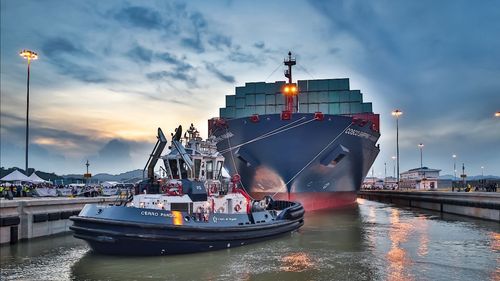
Of the total deep-draft vessels that transited the interoceanic waterway during this period, 2,990 correspond to Neopanamax vessels and 7,633 to Panamax vessels, reflecting the level of activity and the Canal's capacity to meet the demand of the maritime industry.
El Niño Phenomenon
This year, the Canal also faces the challenges imposed by climate variations associated with the "El Niño" phenomenon, applying operational water-saving measures, as well as modifications to the draft of Neopanamax vessels.
Responsible water management constitutes a strategic priority for the Panama Canal. In this regard, permanent monitoring of the evolution of climatic conditions is maintained given the significant increase in the probability of a worsening of the effects of the El Niño phenomenon in the coming months.
The interoceanic waterway timely initiated the application of necessary measures to protect water resources and ensure the continuity of operations.
As part of this anticipated strategy, the Canal began water-saving measures in its locks from late 2025 and took advantage of relatively favorable conditions during this year's dry season to strengthen water reserves in the Gatun and Alhajuela reservoirs.
Modifications have also been applied to the maximum authorized draft for vessels transiting the Neopanamax locks to 48 feet (14.63 meters) from August 26 and, from September 3, to 47.5 feet (14.48 meters).
This measure responds to current levels and projections for Gatun Lake for the coming weeks and is part of the water and operational management strategy developed by the interoceanic waterway to ensure the sustainability of its operations.
Additionally, the Canal maintains permanent monitoring of lake levels and adjusts its operations in a planned manner to ensure navigation safety and service reliability.
For more information, please consult the website: www.pancanal.com/ampliacion