• 2 min de lectura
• 2 min de lectura
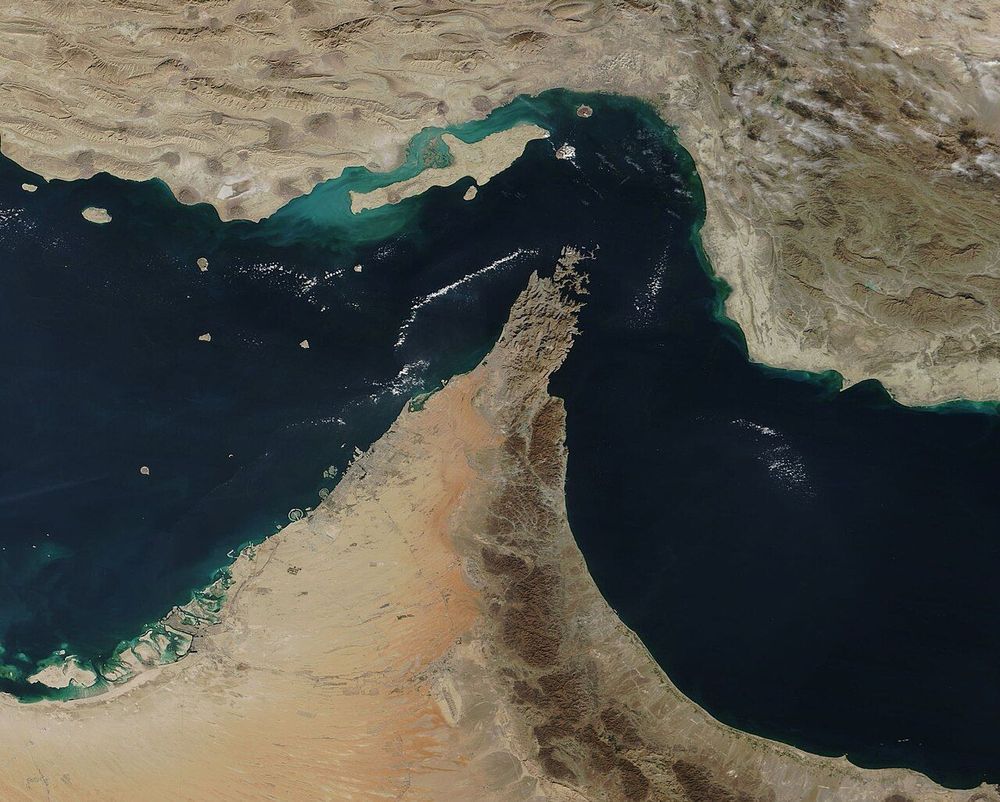
The transit of bulk carriers and commodity cargo ships through the Strait of Hormuz was reduced to only three vessels on Wednesday, September 16, down from 12 the previous day and well below the average of 17 recorded in the previous ten days, according to preliminary maritime tracking data released on Thursday, September 17.
The figures exclude vessels that may have navigated the strategic passage with their Automatic Identification System (AIS) transponders turned off to avoid detection.
Of the three vessels, a Supramax bulk carrier in ballast entered the strait via the Iranian route, while a clean product tanker, also without cargo, did so via an untracked route, according to data from the consulting firm Kpler recorded at 04:45 GMT.
A Panamax tanker left the waterway using an untracked route, according to the data.
Ship traffic fell this week as the war in the Gulf intensified. Saudi Arabian fighter jets bombed Yemen, while Houthi fighters launched drones and missiles at Saudi cities.
The rapid advance of the Houthis—backed by Iran—in Yemen along the Red Sea coast, coupled with attacks against Saudi Arabia and damage to the kingdom's East-West oil pipeline, have expanded Tehran's reach in the conflict and raised risks for the global oil supply.
In the Red Sea, vessel crossings through the Bab el-Mandeb Strait decreased to 21 ships on Wednesday, compared to 24 recorded the previous day.