• 3 min de lectura
• 3 min de lectura
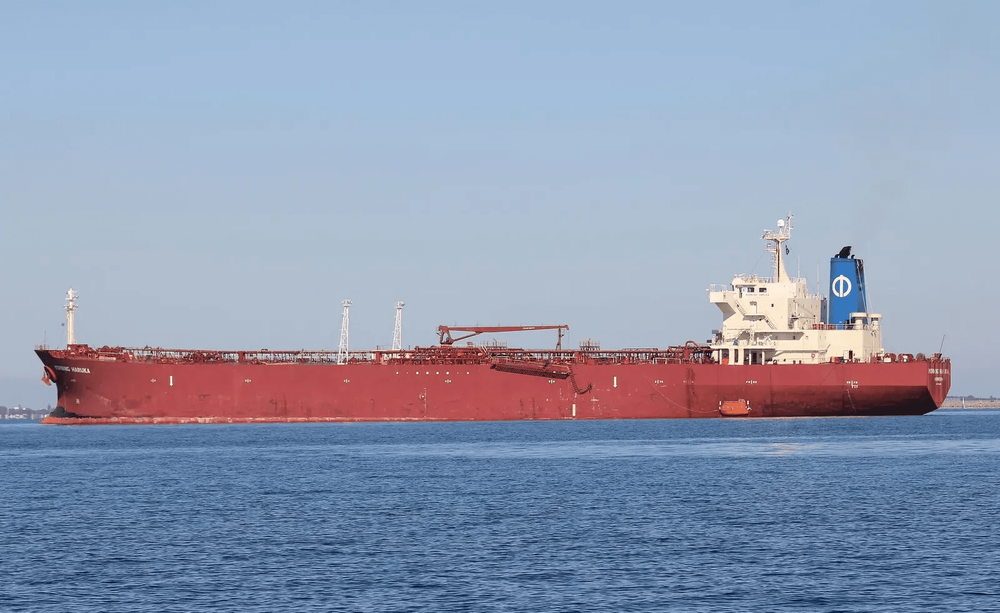
Oil prices fell on Wednesday, September 16, driven by the offer of additional Saudi crude shipments via Oman, which eased fears of further supply disruptions in the Middle East. In contrast, diesel in Europe remained near its historical high.
At 11:28 GMT, Brent crude dropped $1.69 (1.55%) to $107.06 per barrel, while U.S. West Texas Intermediate (WTI) fell $2.6 (2.46%), trading at $103.23.
On the previous day, oil rose more than three dollars after the suspension of crude shipments at Saudi Arabia's Yanbu terminal in the Red Sea was reported. Riyadh's decision to cancel shipments to European customers fueled fears that blockades on this strategic route could last for weeks.
However, Saudi Arabia is offering larger crude cargoes to Asian refineries through ship-to-ship (STS) transfers off the Omani port of Sohar, following drone attacks that damaged its pipeline to the Red Sea, according to sources close to the matter.
"News of Saudi exports from the Gulf suggests that fears of a major disruption are diminishing," said Giovanni Staunovo, an analyst at UBS.
Visible vessel transit through the Strait of Hormuz remained in single digits with four crossings on Tuesday, down from seven the previous day and far below the average of 18 recorded over the past 10 days, preliminary shipping data showed on Wednesday.
The waterway handled one-fifth of the world's oil and liquefied natural gas supply before the U.S.-Israel war against Iran began in late February.
According to Macquarie, the flow of crude, condensates, and refined products through the Strait of Hormuz has shown resilience since the resumption of fighting on August 30, and could even exceed 7.5 million barrels per day. The firm added that the relationship between incidents in the strait and the transmitted volume has weakened.
Citi expects geopolitical tension in the Middle East to continue driving crude and derivatives until the reopening of Hormuz, projected for the fourth quarter of 2026 through diplomatic efforts.
Meanwhile, supply pressure led European gasoil – a benchmark for diesel – to hit intraday highs not seen since April on Tuesday and mark a record close, although its advance moderated on Wednesday, September 16.
"The strength of diesel reflects a specific product shortage combined with expensive crude," noted Frank Walbaum, market analyst at Naga.com.
"Europe has lost substantial diesel and jet fuel supply from the Middle East, while ongoing tensions in Eastern Europe have disrupted production at several important Russian refineries and led Moscow to restrict fuel exports," he added.
Last week, the national average price of diesel in the United States exceeded $6 per gallon for the first time in history.
The Russian government has decided to extend restrictions on diesel exports for fuel producers until the end of October, the Vedomosti newspaper reported on Tuesday evening, citing two unidentified sources.
"Unless there is a peace agreement or an improvement in the situation with Russia, I expect diesel prices to remain firm," said Staunovo of UBS.
U.S. crude, gasoline, and distillate inventories increased last week, market sources said on Tuesday, citing data from the American Petroleum Institute (API).
Crude stocks rose by 7.1 million barrels in the week ending September 11, the sources indicated based on API data. This figure contrasts with analysts' expectations, who had forecast a drop of about 1.6 million barrels, according to a Reuters survey.