• 2 min de lectura
• 2 min de lectura

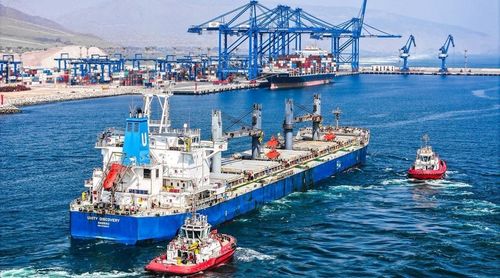
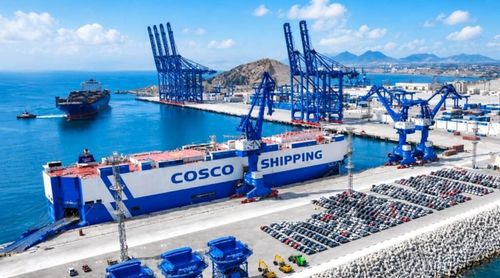
The Governor of Jujuy, Carlos Sadir, highlighted the strategic location of the province within the Capricorn Bioceanic Corridor, a logistical road axis that will connect the ports of northern Chile with Argentina, Paraguay, and Brazil.
The local authority underlined the need to continue strengthening road connectivity and stated that neighboring countries are advancing with investments aimed at improving their respective networks.
Sadir referred to the route in the framework of a workshop organized by the Provincial Ministry of Economic Development and Production and the Economic Commission for Latin America and the Caribbean (ECLAC).
The governor pointed out that mining constitutes one of the main sectors with potential, although he stressed the need to also promote other economic activities. The head of the Jujuy Government placed special emphasis on the importance of having trained local suppliers capable of joining value chains, to take advantage of the opportunities generated by mining development and regional integration.
Likewise, Sadir valued the presence of an office of the Iquique Free Zone (Zofri) in the province. He also noted that efforts are underway to promote the establishment of an office linked to Mato Grosso, Brazil, with the aim of consolidating Jujuy as a central hub for regional commercial and productive integration.
Romain Zivy, director of the ECLAC office in Argentina, explained that the organization has been working with the Government of Jujuy in analyzing the provincial productive matrix, its main sectors, the possibilities of adding value, and the potential for developing new activities.
The ECLAC representative noted that the Capricorn Bioceanic Corridor can foster greater productive complementarity between Jujuy and territories in Chile, Paraguay, and Brazil, in addition to contributing to improving competitiveness by reducing logistical costs.
In that vein, he highlighted the corridor's potential to facilitate access to the markets of neighboring countries and the Pacific ports, generating new possibilities for connection with Asian markets. Zivy indicated that among the main tools analyzed are productive articulation mechanisms and clusters, considered instruments to boost the competitiveness of Jujuy's main value chains, including mining, agro-industry, tourism, and renewable energies.
Source: Portal Portuario