• 2 min de lectura
• 2 min de lectura
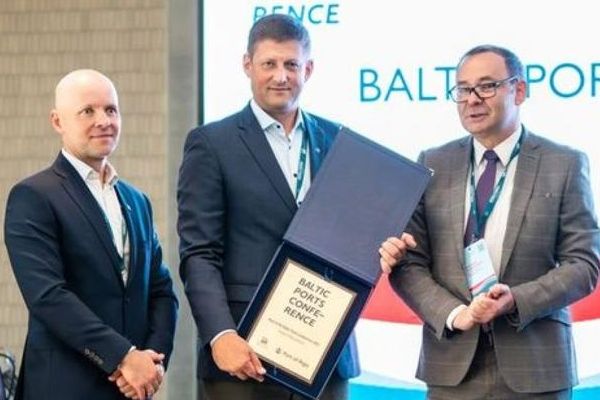
In Turku, Finland, the annual conference of the Baltic Ports Organization (BPO) was held, where key topics included the establishment of green maritime corridors, the role of ports in the energy transition, climate resilience and biodiversity, as well as port digitalization and the adoption of new technologies.
The event brought together port managers, representatives of the maritime sector, and experts from the Baltic Sea region. The Port of Riga was represented by Ansis Zeltins, CEO of Riga Freeport and a member of the BPO Board of Directors.
Under this year's motto, "A great green maritime corridor," discussions focused on port development in a changing geopolitical and economic context. Within the framework of the conference discussions, it was emphasized that ports must adapt to changes more quickly, maintaining their competitiveness and resilience.
The development of sustainable maritime transport requires closer cooperation among ports, shipping companies, cargo owners, and the energy and financial sectors. In the future, ports will play an increasingly important role in the development of new energy sources and technologies.
Digitalization has become an indispensable requirement for modern port operations. To implement it successfully, ports must achieve a perfect balance between technological opportunities, local operational needs, and investment efficiency.
Participants discussed the upcoming European Union Port Strategy, including topics such as port competitiveness, energy transition, security and resilience of critical infrastructure, military mobility, and the development of dual-use infrastructure.
At the conclusion of the conference in Turku, it was announced that the organization's next conference will take place on September 8 and 9, 2027, hosted by the Port of Riga.
In inviting representatives of the Baltic port sector to meet next year, Zeltins highlighted that while the Baltic and global port sectors face significant challenges, the experience of recent years confirms the ability of ports to change and adapt quickly.
"Ports are no longer the slow-evolving structures they were once thought to be. The sector has proven to be as flexible and adaptable to change as quickly as other sectors. Ports are an essential part of the European economy, and the Baltic Sea region is prepared to contribute to Europe's growth and competitiveness. We will continue this dialogue in Riga next year," declared Zeltins.