• 2 min de lectura
• 2 min de lectura
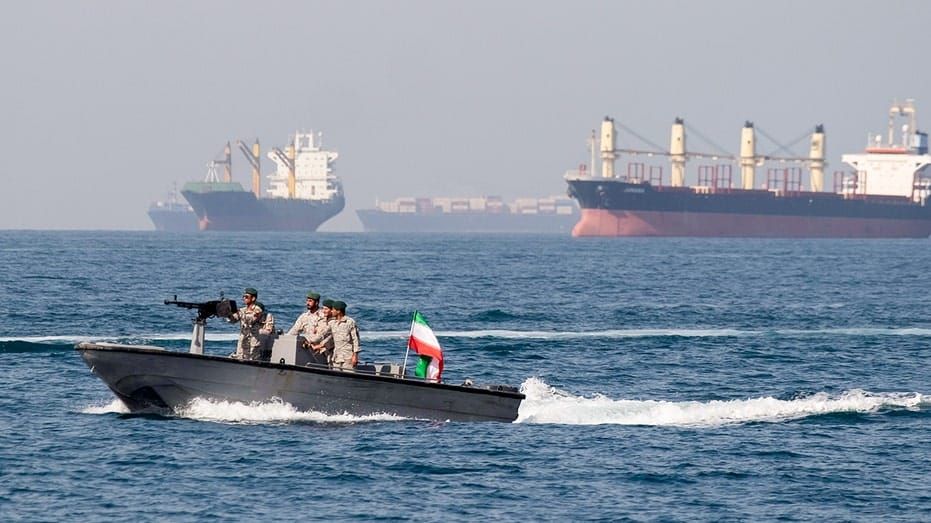
German Chancellor Friedrich Merz urged Iran to cease its destabilizing activities in the region, not to extend the conflict to Iraq through its affiliated militias (proxies), and to end the blockade of the Strait of Hormuz.
During a joint press conference in Berlin with Iraqi Prime Minister Ali al-Zaidi, the German leader stated that they discussed the evolution of the regional crisis and the consequences of the confrontation between the United States and Iran.
"Tehran's support for its affiliated militias throughout the region must cease. We see the consequences every day; we also ask Iran not to take the conflict further into Iraq," Merz affirmed.
"Iran must definitively end this blockade in the Strait of Hormuz and, above all, must stop its military nuclear program," he emphasized.
Merz noted that Berlin supports the Iraqi government's initiative to disarm Iran-backed militias, as well as its efforts to restore peace and security.
Both leaders also addressed the situation in the Red Sea, where the Houthis have expanded their control along Yemen's coast and have taken Mayyun Island in the Bab el-Mandeb Strait.
"The Houthis now control strategic positions around the Bab el-Mandeb Strait and are attacking energy facilities in Saudi Arabia; this further exacerbates the situation in international energy markets," Merz pointed out.
"The international community cannot allow the Houthis to hold Red Sea shipping hostage. We are consulting within the European Union and with partners in the region about the contribution we can make together to end this conflict," he added.
When asked about the future of the German military advisory and training mission in Iraq, Merz stated that it would conclude this month, although Berlin would be willing to continue cooperation under other modalities.
"That military presence concludes on September 30 - in two weeks - at Iraq's request, a decision that, of course, we respect," the Chancellor told reporters.
"However, we are prepared to continue our military cooperation if desired, and we remain available to support Iraq - subject to the government's wishes - regarding what future engagement might look like," he concluded.