• 3 min de lectura
• 3 min de lectura
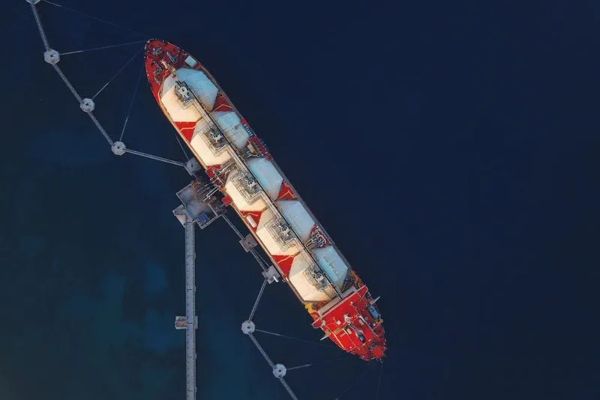
Trelleborg Marine & Infrastructure and Simwave unveiled the first modules of the specialized transfer equipment training program, marking a key milestone in the expansion of the strategic alliance between both companies. The program is designed to address critical deficiencies in crew competencies as LNG supply expands and alternative fuels gain traction, generating new operational demands in the maritime industry.
This collaboration combines Trelleborg's expertise in critical transfer systems with Simwave's advanced training capabilities to offer structured learning focused on the safe operation, maintenance, and optimal use of equipment across the entire interface.
The initiative responds to the accelerated fuel transition in the maritime industry. As operations with LNG, methanol, ammonia, and hydrogen expand, crews must increasingly manage the transfer of cryogenic and hazardous products between independently operated assets. However, training and certification frameworks have not evolved at the same pace, underscoring the need to develop practical, fuel- and equipment-specific competencies that support safe and efficient operations.
"By extending our support beyond installation and offering structured, equipment-specific training, we help our customers strengthen safety, maintain performance integrity, and address the growing operational complexity of multi-fuel transfer systems," stated at Gastech 2026 Rene Fredriks, Managing Director of Gas Transfer Operations at Trelleborg Marine & Infrastructure.
The program consists of a series of short e-learning modules delivered through the Simwave platform, each culminating in a certificate of completion, providing crews with practical knowledge of Trelleborg's transfer systems, including the characteristics and handling practices of LNG composite hoses, visual inspection procedures, the function and operation of the Universal Safety Link (USL) in bunkering operations, and service procedures for Cryo DC tank end units.
These initial modules mark the first phase of a broader training program aimed at strengthening competence in liquefied gas transfer operations. Over time, the program will expand to cover both routine and emergency scenarios across the entire range of Trelleborg transfer equipment, including cryogenic LNG hoses, safety links, ship-to-shore links, and emergency release systems.
"Effective crew training must reflect the equipment, interfaces, and operational conditions encountered in the field. Together with Trelleborg, we are transforming engineering expertise into practical, scalable learning experiences that help crews develop and maintain competence in increasingly complex multi-fuel operations," said Ryan Verhagen, Commercial Director at Simwave.
Additional modules are currently being developed to address advanced operational scenarios and specific procedures for LNG supply vessels, methanol carriers, alternative fuel vessels, and both floating and fixed terminals for these elements.
For shipowners and operators, the program offers a standardized approach to crew development that can help reduce operational variability, reinforce safe transfer practices, extend equipment lifespan through proper handling, and strengthen preparedness for emergency shutdown scenarios.