• 2 min de lectura
• 2 min de lectura
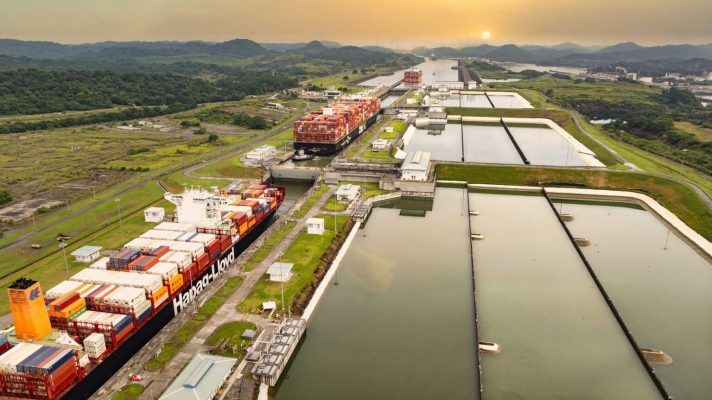
The Panama Canal plans to further reduce ship transits due to the drought caused by the El Niño phenomenon, following an initial restriction in effect since September 4, the waterway's administrator announced.
The interoceanic route authority plans to restrict passage to "an average of 29.5 transits" for the next fiscal year, which will begin in October, according to a budget proposal presented to the Legislative Assembly. Previously, the number of vessels that could cross daily, as well as the draft, had already been reduced from 36 to 32.
The new average, however, is less drastic than that of the 2023-2024 period, when the canal was forced to reduce to 22 daily crossings, also due to El Niño.
The waterway operates with rainwater stored in the artificial lakes of Gatun and Alhajuela. Their level has decreased due to El Niño, which is shaping up to be the most intense ever recorded and forced the entire country to declare an alert.
Additionally, according to the budget proposal, which was approved on Monday in the first of three debates, the canal expects a reduction of 743 vessels and 5 million tons of cargo for the next fiscal year (October 1, 2026, to September 30, 2027). During the previous fiscal year, almost 11,500 vessels with 462 million tons crossed.
"We are anticipating less rainfall" and the reduction in draft "limits the volume of tons due to the reduction in the cargo capacity of ships," said Espino de Marotta.
The authority estimates that canal revenues will total approximately 5.5 billion dollars, about 350 million more than this year. Meanwhile, direct contributions to the State are estimated at 3.6 billion dollars, representing a record figure due to the diversity of the route's businesses.
It is estimated that 5% of global maritime trade passes through the canal, whose main users are the United States and China.